
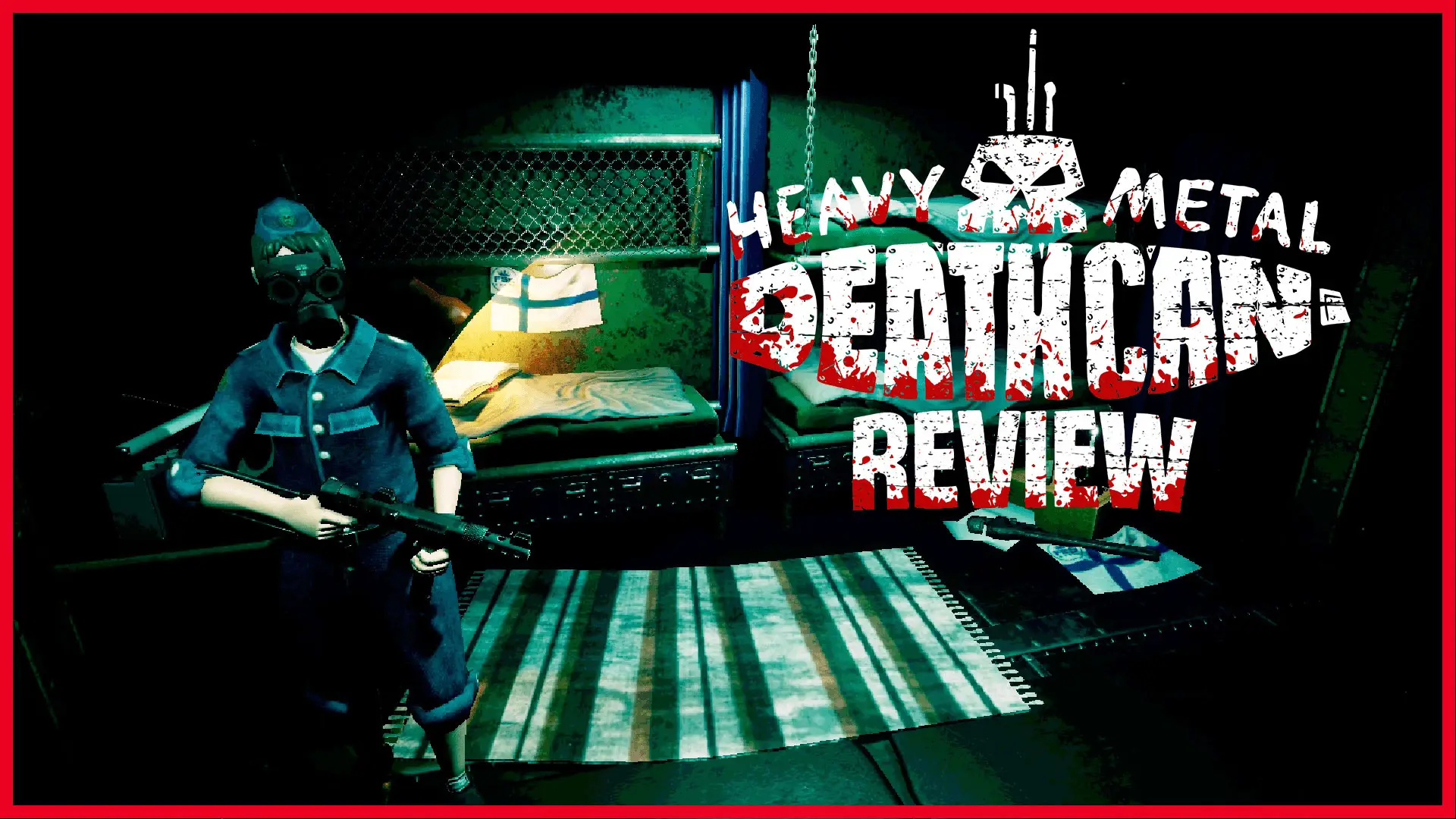
Disclaimer: I received a free review key for Heavy Death Metal Can from the developer. This does not affect my opinions, all thoughts and impressions in this review are my own.
At a glance Heavy Death Metal Can might look like a classic pre rendered survival horror but everything is actually happening in real time. The developers have carefully designed it to mimic the look of pre-rendered backgrounds surprisingly well. The game runs on Unreal Engine, which has recently become quite controversial when it comes to performance issues. Thankfully, that is not a problem here.
The controls are extremely responsive and loading between rooms is snappy. I suspect that is partly due to the relatively small, cramped and claustrophobic submarine environment instead of large open areas filled with high-poly vegetation.
I do not want that to go without mentioning because it is refreshing to see how well survival horror games can actually run. If anything, this has restored my faith in Unreal Engine and proves that games can run well while still looking great. Poor optimisation is a skill issue.
If you’d rather see Heavy Death Metal Can in action, watch the video version of this review below!
When I reviewed the HMDC demo, I described it as unapologetic survival horror. You started without a weapon and there was a real sense of panic as you searched for one.
In the full game, you still do not have a gun during the first zombie encounter, but the zombie is much easier to avoid and the first weapon is now impossible to miss. I would guess this change came from player feedback, which I can understand. A lot of players will quit and refund a game if they die repeatedly during the opening section.
The Best Survival Horror Mechanic in HMDC
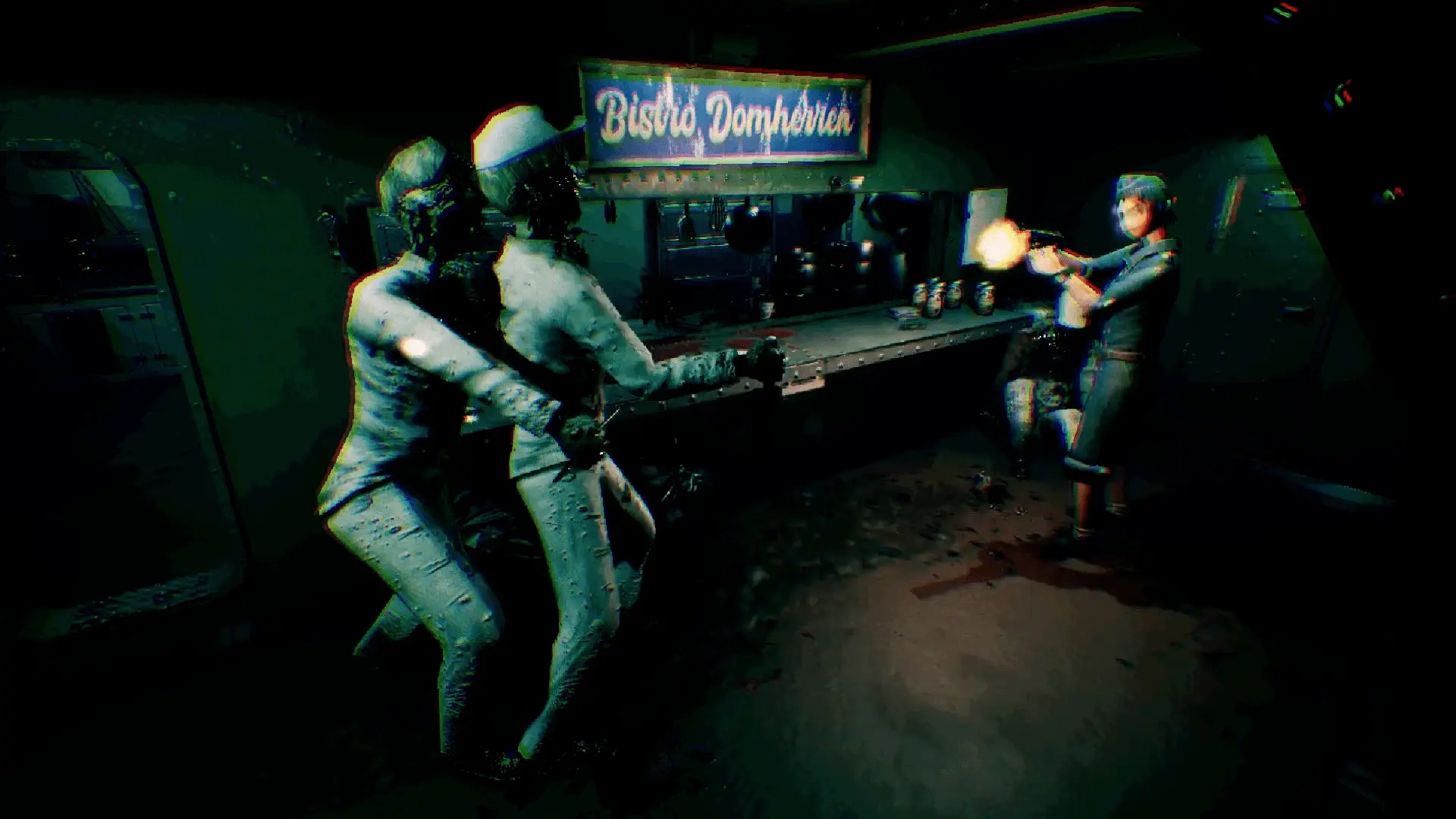
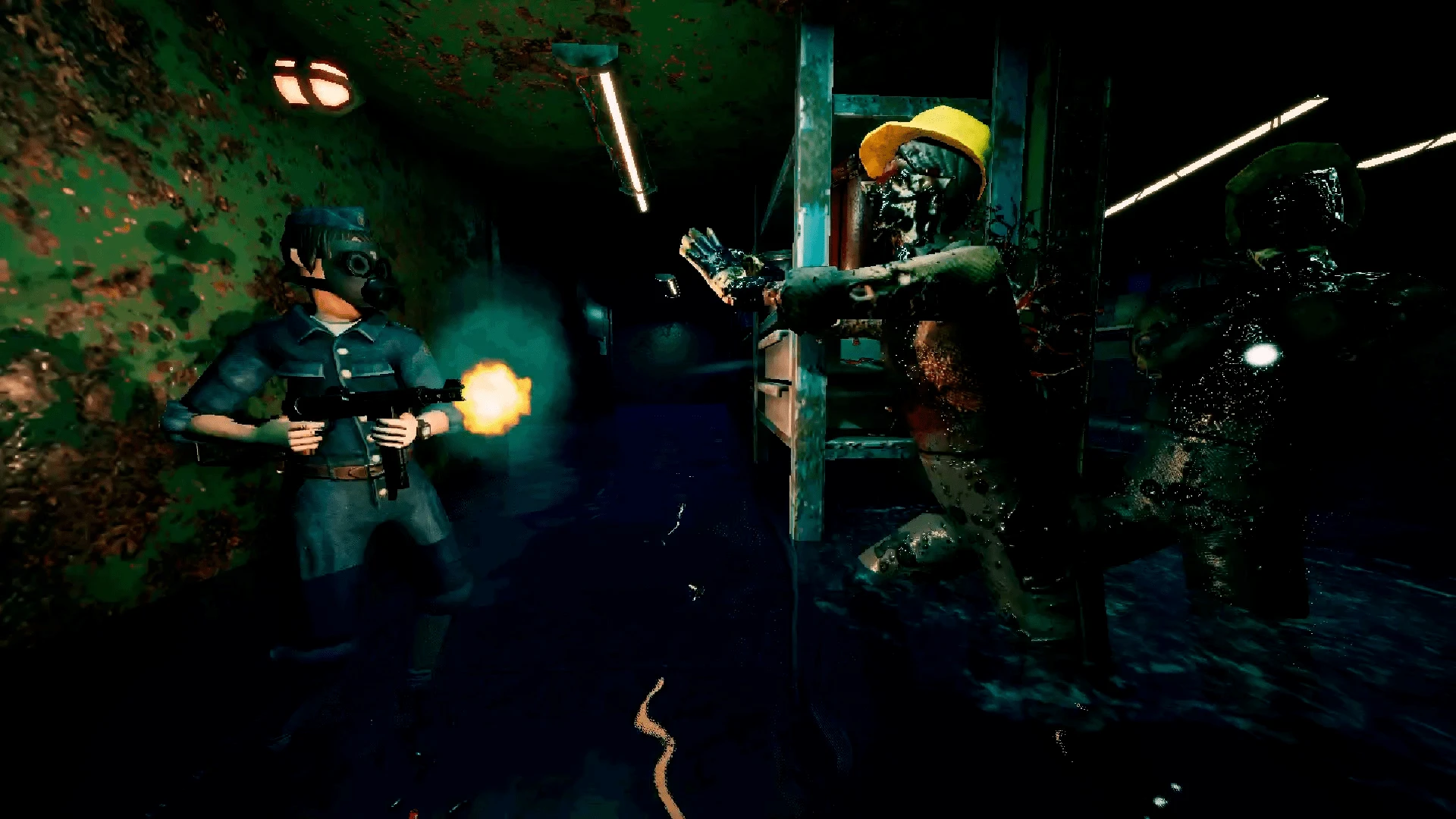
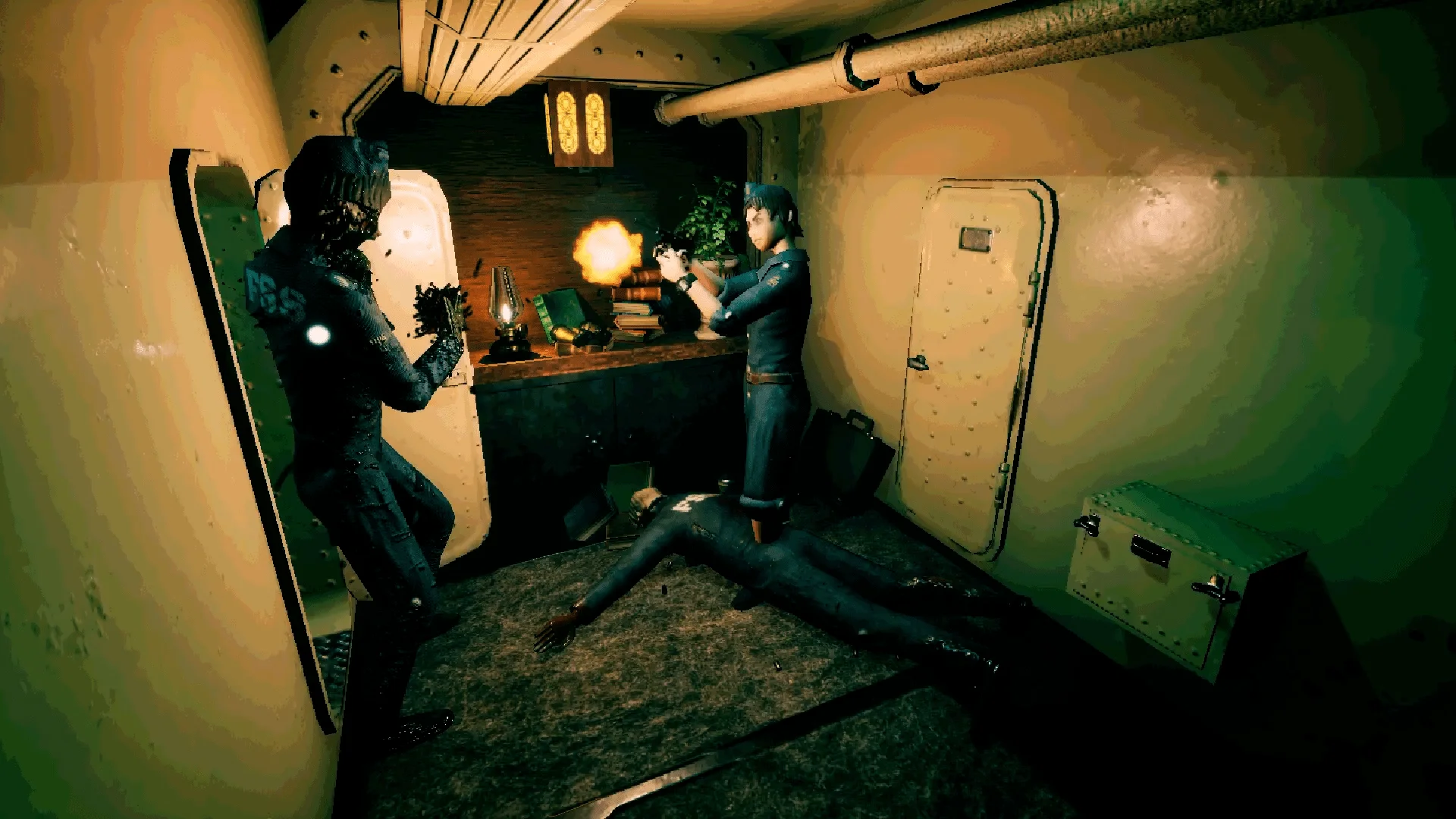
At first, I thought the game was giving me plenty of ammo because I was finding it in nearly every room. Then I realised I was only picking up three or four rounds at a time, which started to disappear very quickly once I began fighting zombies. I actually did run out of ammo early on.
The ammo pressure is made even worse by the fact that you really need to save some bullets and healing items for the boss fights. This is where the KLAS comes in. The KLAS is a Swedish military folding shovel. The name stands for “Kort, lätt attackspade”, which roughly translates to “short, lightweight attack shovel”. In HMDC, it functions as a melee weapon that can stun enemies, allowing you to slip past them without wasting ammo. However, it breaks after three uses and needs to be repaired, so you still have to think carefully about when to use it.
For a game to truly feel like survival horror, it needs mechanics that separate it from standard horror or action-adventure games. One of the most important is combat avoidance, allowing you to preserve resources for later. The KLAS is perfect for this because it gives you more control over how you approach encounters.
I recently reviewed Tormented Souls 2 and although it is one of my favourite survival horror games ever, avoiding enemies was often impractical due to the narrow corridors. HMDC also has tight corridors, but the KLAS allows you to decide which enemies are worth fighting and which are worth avoiding. That decision-making is at the core of the best survival horror games.
Exploring a Surprisingly Non-Linear Submarine
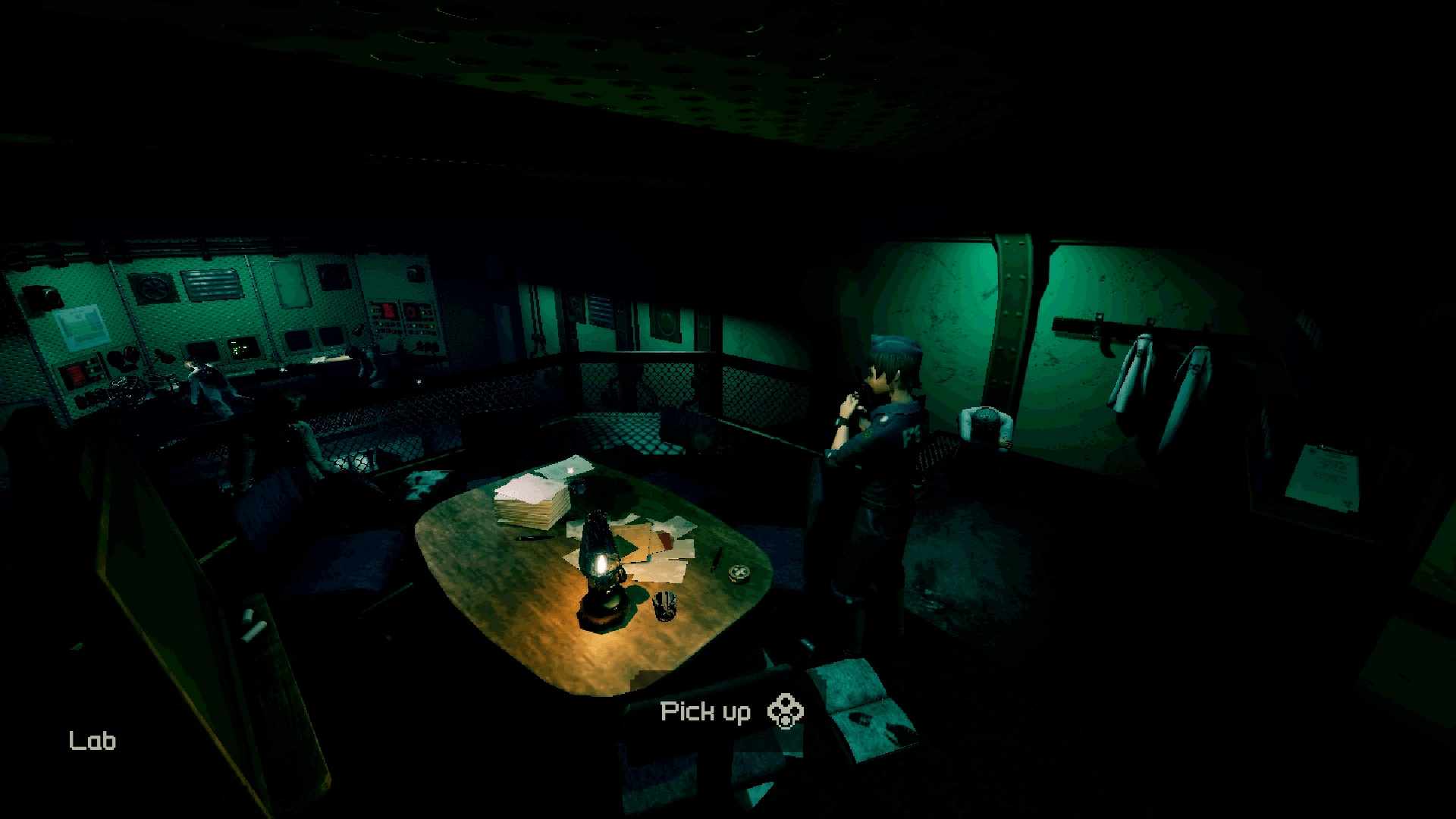
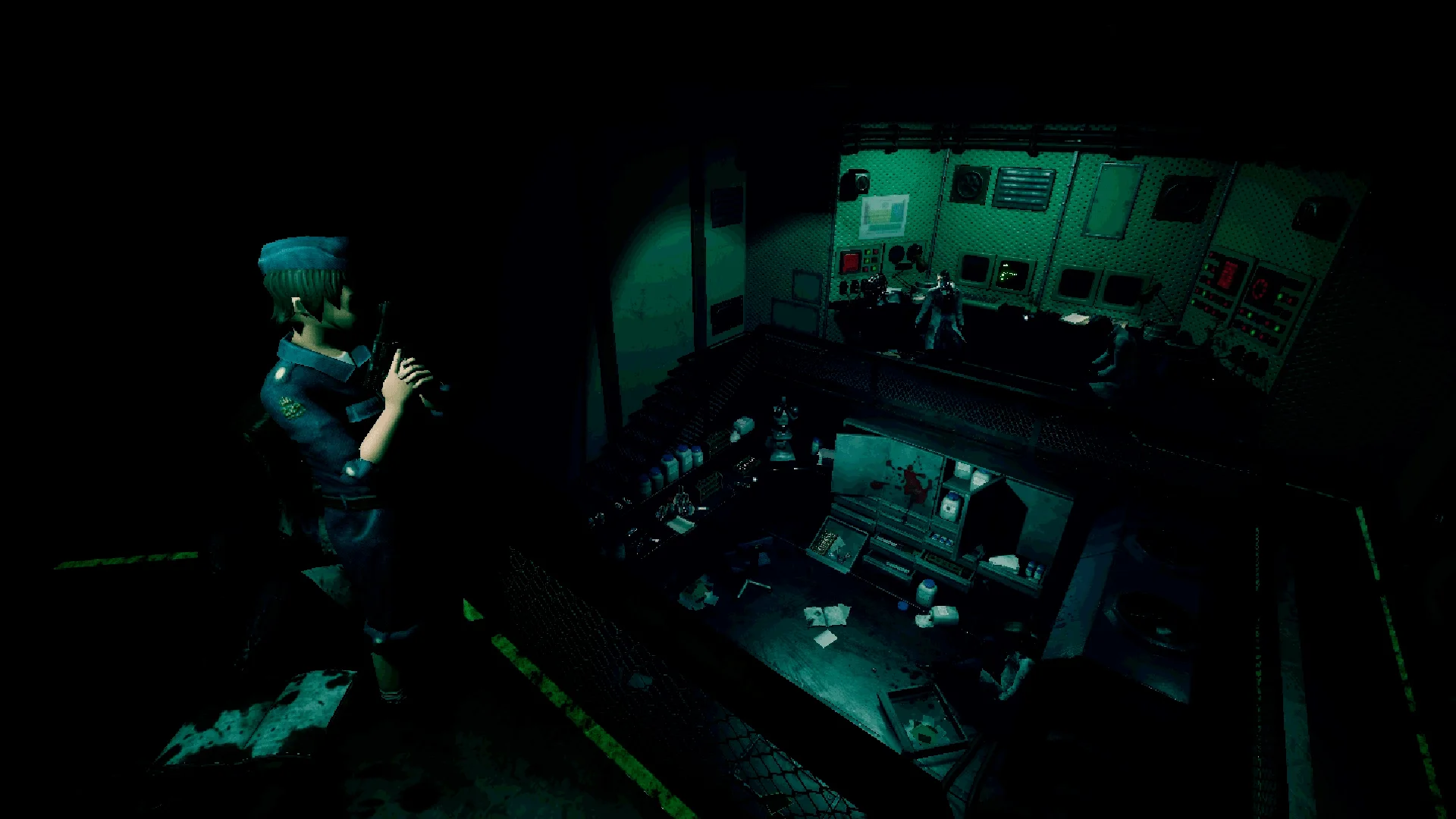
It is surprising how non-linear HMDC is considering it takes place on a submarine. There is a lot of backtracking and no single path you are forced to take. This open-ended level design means objectives can often be completed out of order.
I really enjoy this side of HMDC. For me, it is fun planning routes between save rooms and finding the most efficient path through the submarine, especially when it allows me to avoid enemies and save bullets for later sections or boss fights.
I think this also adds a lot of replay value because it encourages players to experiment with faster and more efficient routes. It also makes the game feel perfect for speedrunners. I spoke to one of the developers about this and he said even he is still not sure what the fastest possible route is, which I am sure speedrunners will have a lot of fun figuring out.
While exploring the wrecked submarine, you meet a handful of other survivors, each with their own agendas. The overall goal is to uncover what happened, get the submarine running again and somehow make it back to the surface alive.
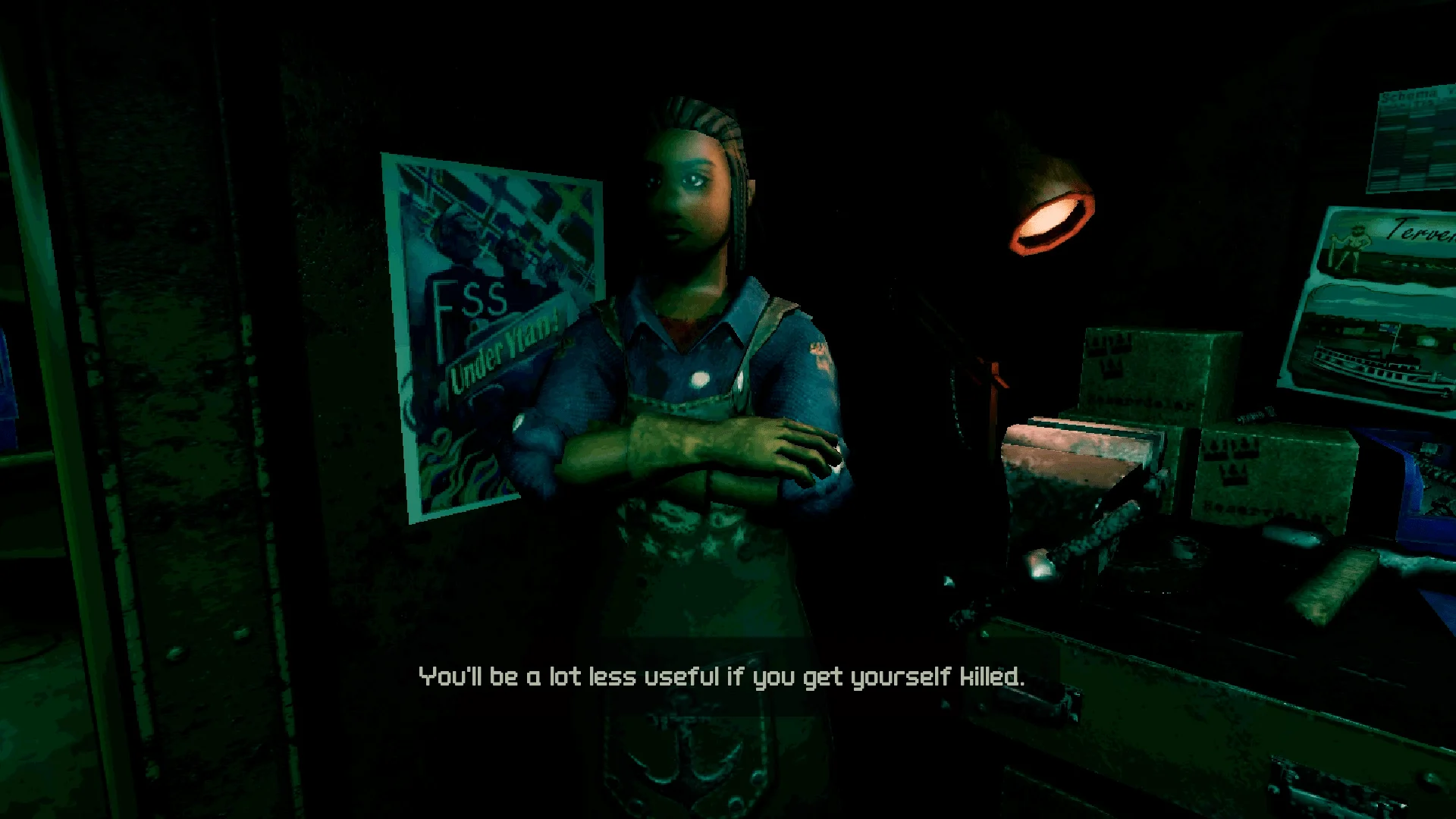
The people you meet are actually very helpful and I would have been lost several times without them. Whenever I got stuck, talking to the survivors usually gave me a hint about where to go next. They also move around the submarine after key story moments, which helps the setting feel more alive. I was even caught off guard when I unexpectedly ran into the Captain in the engine room late in the game.
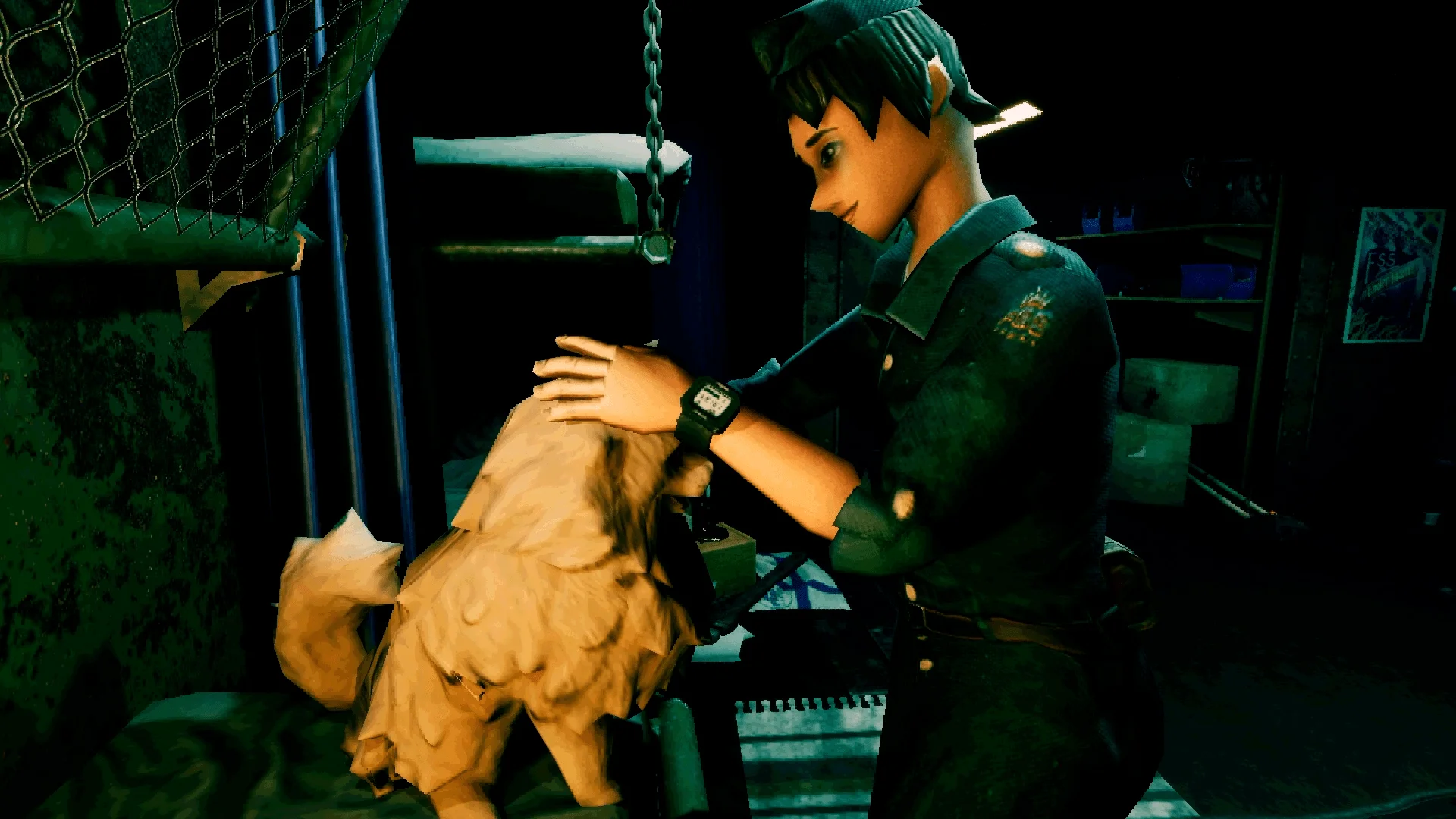
Around the middle of the game, you meet a dog. I have noticed a recent trend of indie developers adding cats to their games, which never really interested me much, but I have to admit the dog in HMDC is genuinely very cute.
The Swap Shop
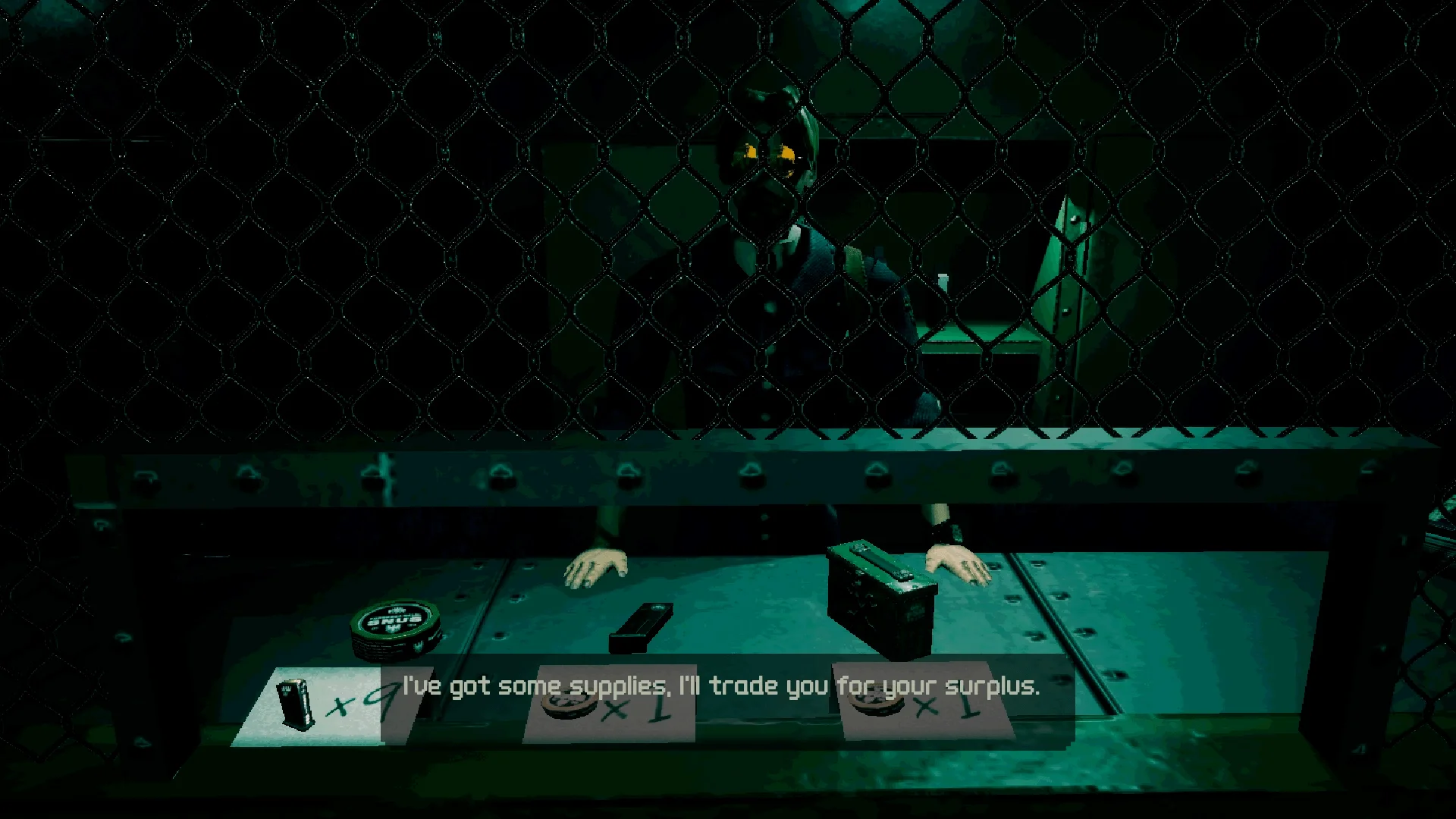
One of the survivors eventually sets up a kind of shop, although it is more of a swap shop. You cannot simply buy new supplies. Instead, you trade one resource for another.
I am glad the game avoids turning this into an Resident Evil 4 style merchant system. Being able to constantly upgrade weapons and manage resources through a dedicated shop would weaken some of the survival horror tension.
The swap shop is actually a really clever idea and not something I have seen used in other survival horror games. Alisa and Carnival Massacre both feature shops, but those rely on currencies like tooth wheels or coins. HMDC has no currency system at all. Everything is based on trading items directly from your inventory.
I have argued before that health and ammo are closely linked resources because both ultimately help you survive encounters. If a player focuses too heavily on one, they can easily end up with an abundance of healing items but no bullets, or the opposite. The swap shop helps rebalance those situations without completely removing the survival horror pressure.
I could also see this working well in situations where a player does not quite have enough ammo to beat a boss, but has plenty of healing items to trade. Honestly, if more classic survival horror games had systems like this, it probably would have prevented a lot of soft locks caused by low resources.
Live, Die, Repeat
The boss fights in HMDC are challenging in a good way, which makes finally beating them feel far more satisfying and rewarding.
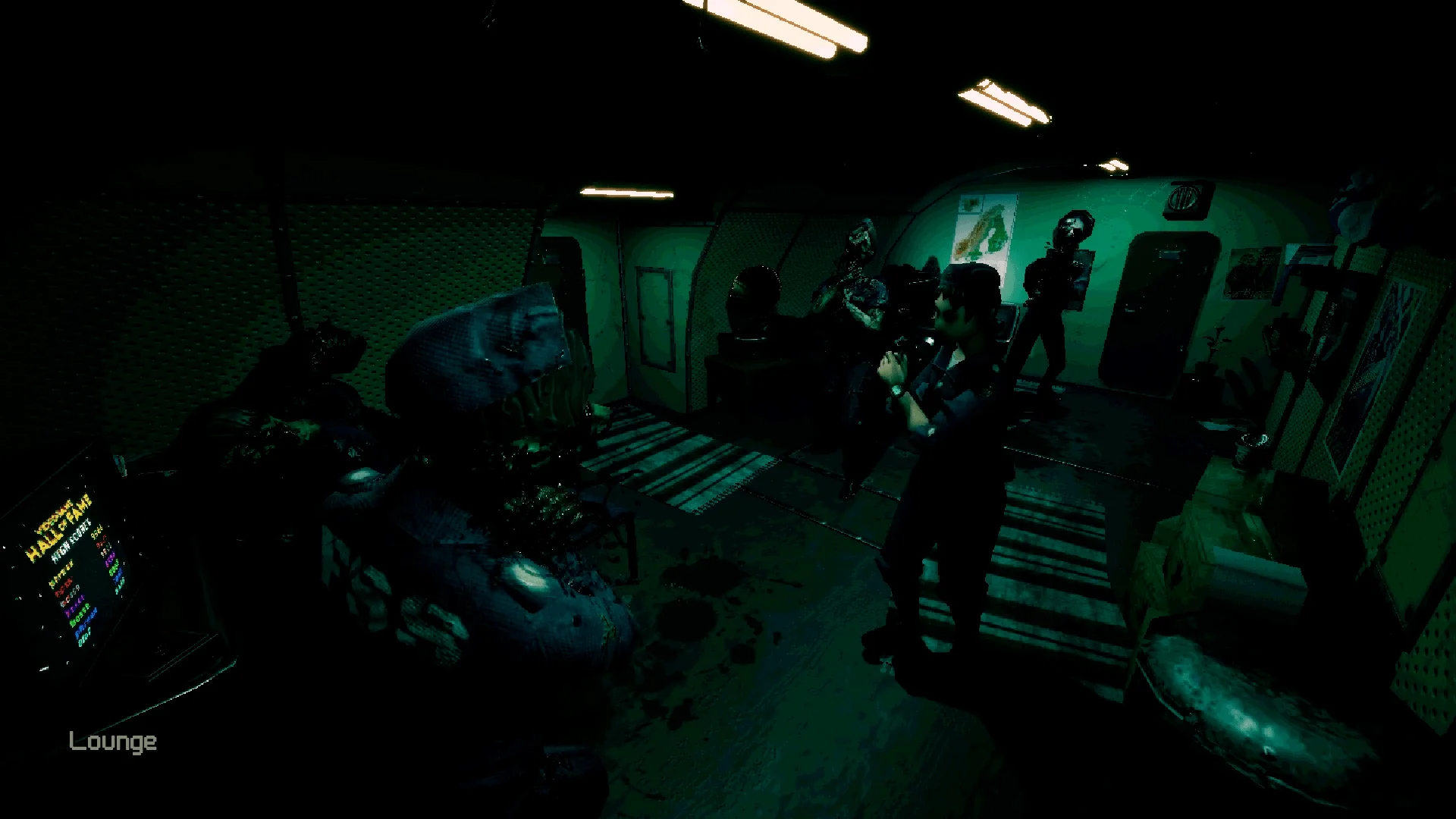
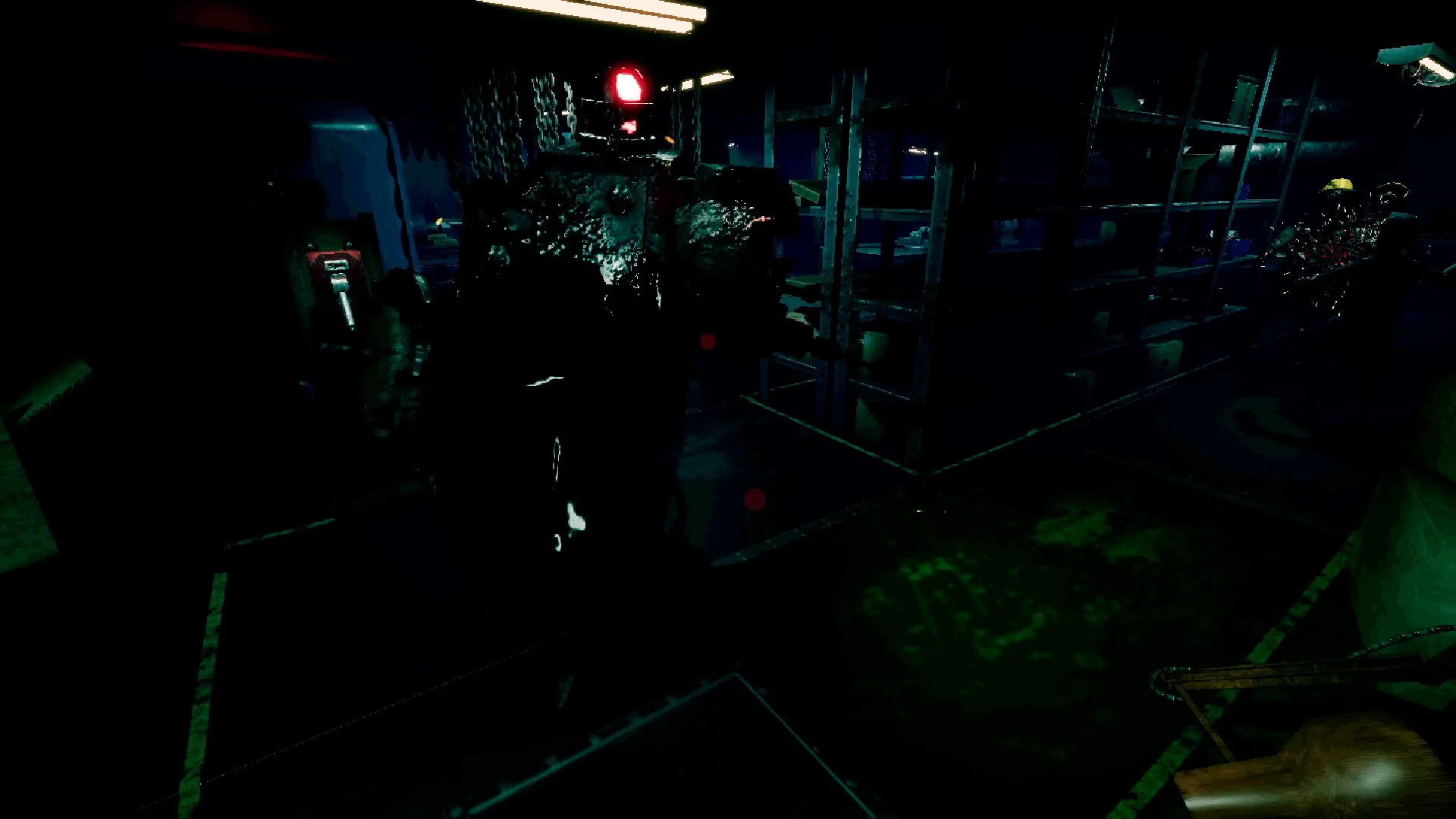
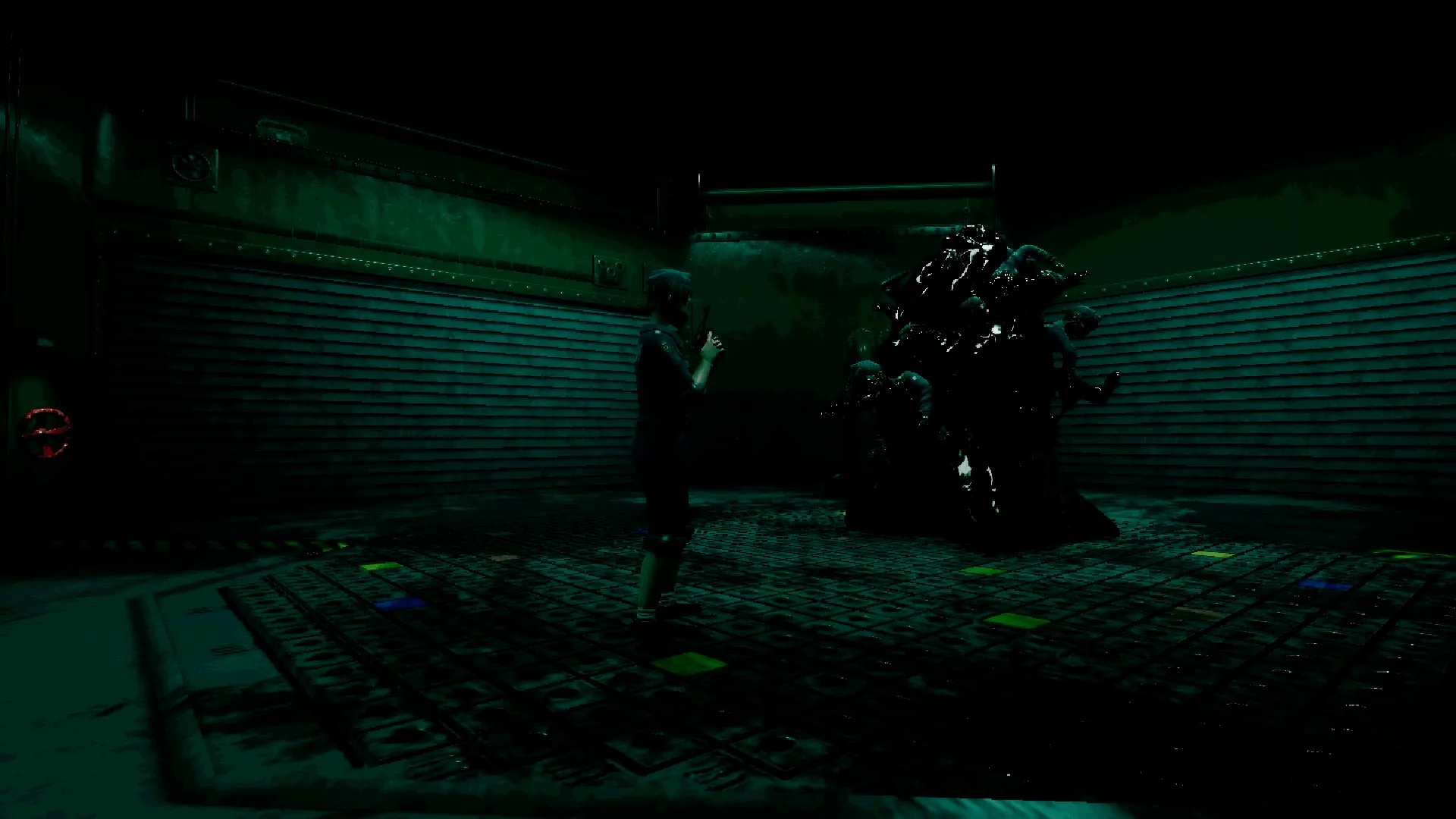
The bosses actually reminded me a little of The Legend of Zelda: Ocarina of Time. It is not simply about unloading bullets into them over and over. Instead, the focus is on exposing their weak points and striking them at the right moment. The real challenge is not necessarily hitting the weak points themselves, but creating opportunities to expose them while avoiding attacks and dealing with other enemies in the room, including regular zombies.
I think games should still be willing to challenge players. At a certain point, a lot of developers became afraid of frustrating people in case they stopped playing or left negative reviews. As I mentioned earlier, some players really dislike dying in games because they see it as a failure, but I think survival horror works best when death becomes part of the learning process.
Survival horror especially is built around trial and error. When I play these games, I am basically doing what Edge of Tomorrow does with Tom Cruise: live, die, repeat. Every death teaches me something about the route, the enemies or how I should manage my resources next time.
For me, it is not just about beating a boss, it is about doing it while using as few resources as possible. I never want to barely scrape by because that usually means the section after the boss becomes much harder due to a lack of ammo or healing items.
Memorable Puzzle Design
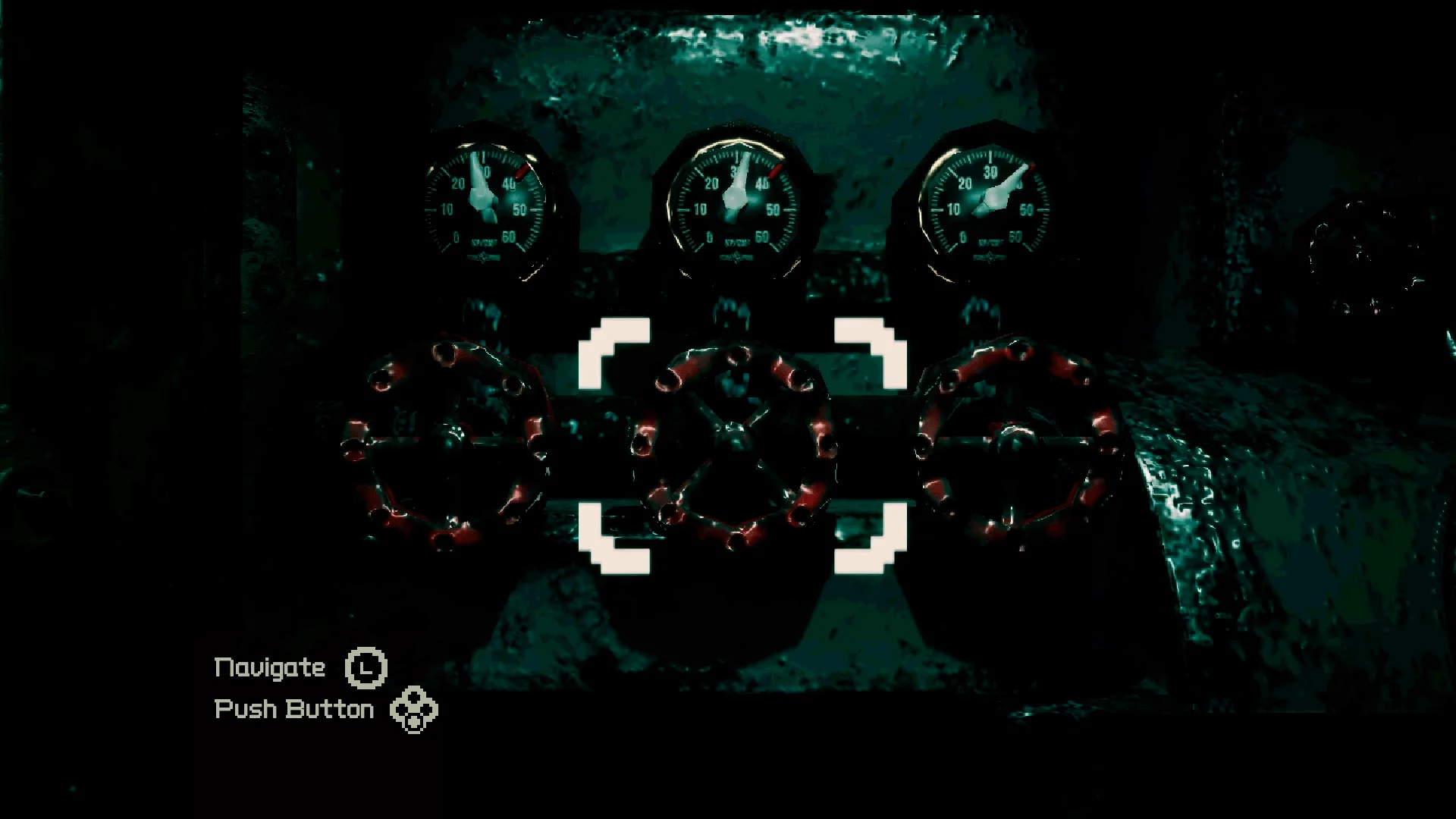
Some of the puzzles are fairly straightforward and familiar to the genre, including moving platforms to create paths, adjusting pressure with valves or figuring out computer passwords. Nothing especially new, but still enjoyable to solve and an important part of survival horror because the genre has always been about brains over brawn.
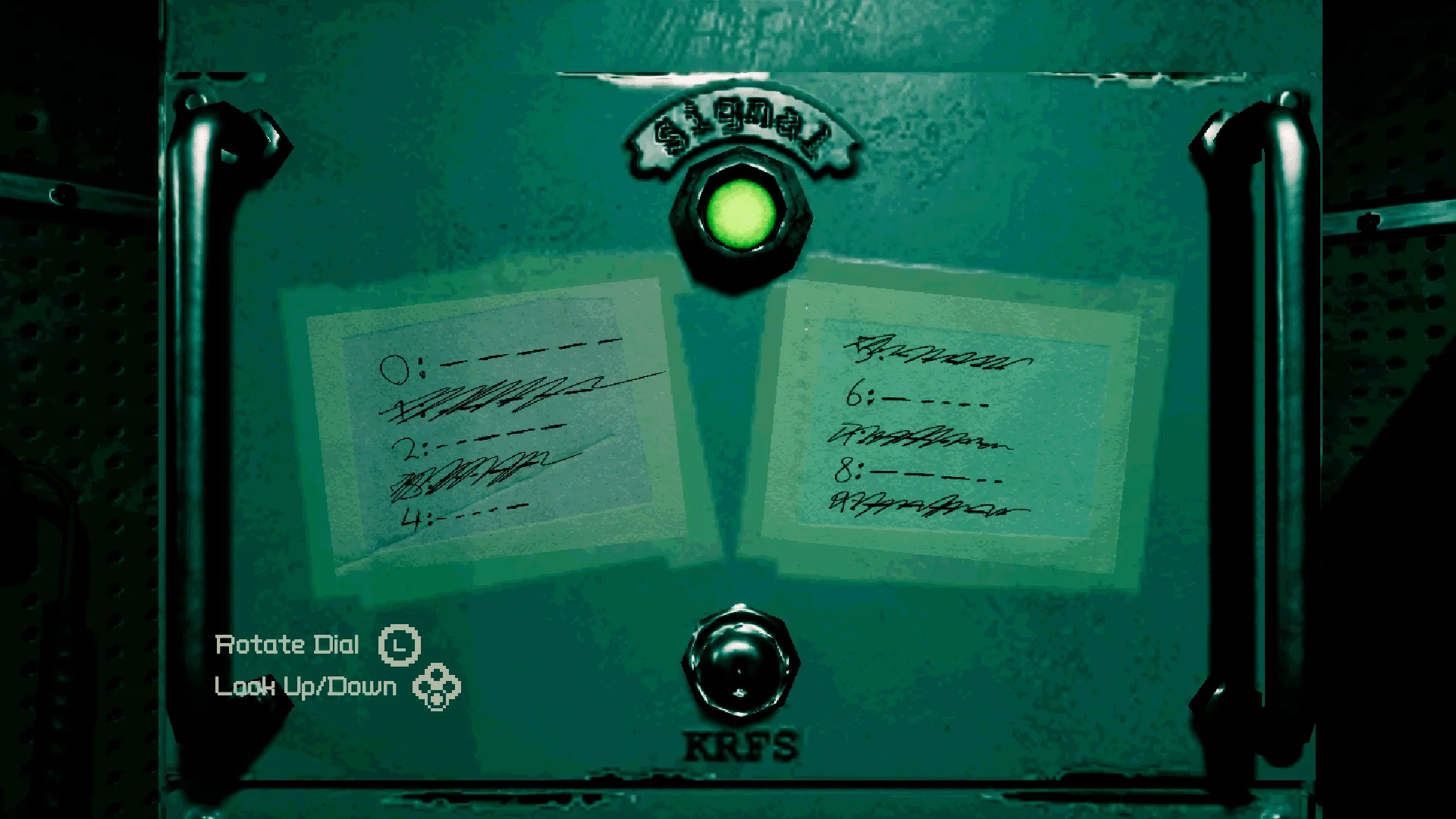
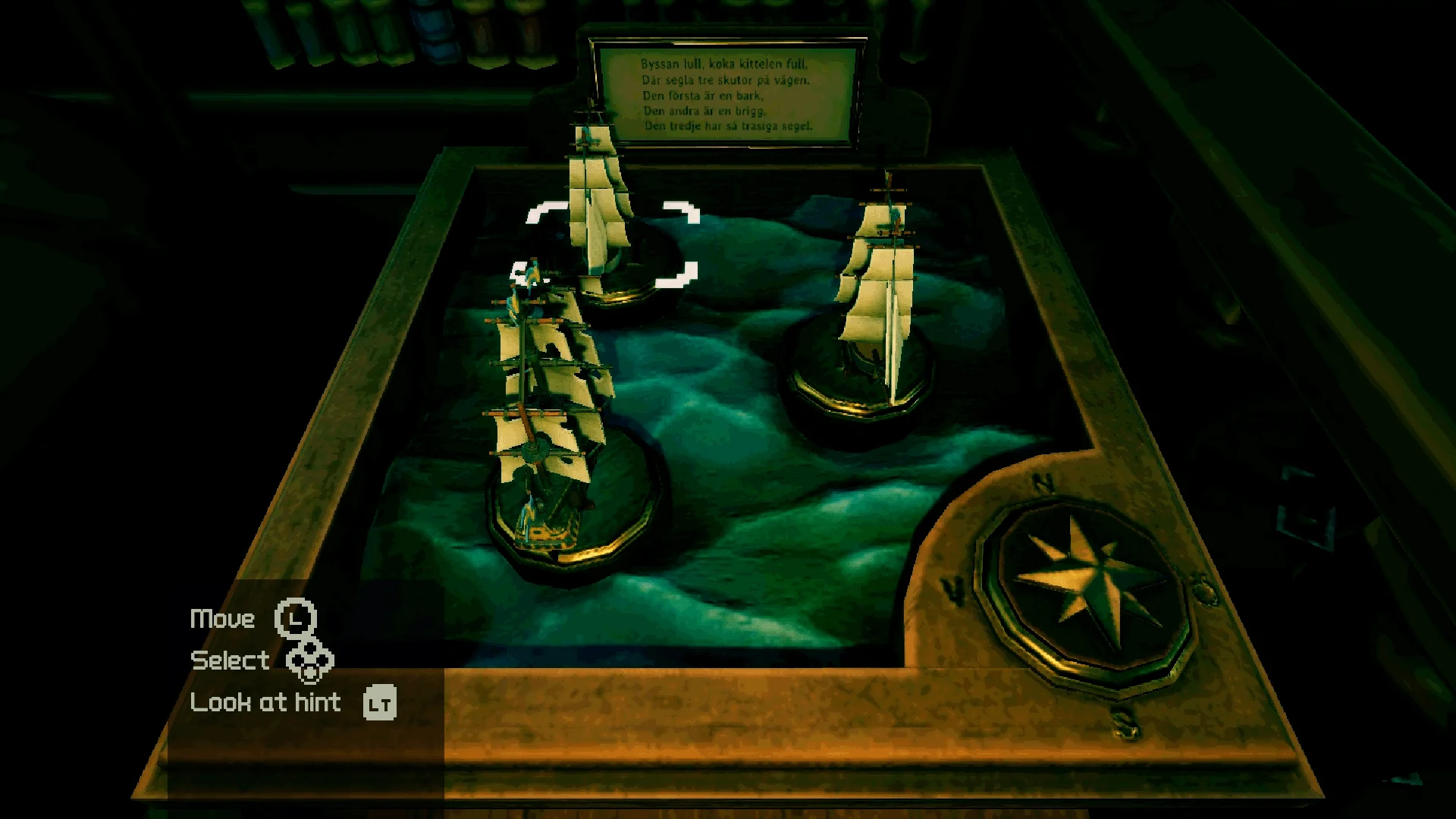
There is one puzzle in particular that feels very different from the rest, involving Morse code and audio signals. This is definitely the kind of puzzle that could stump some players, so the developers took a risk including it, but I think it will pay off because it is incredibly memorable. Sometimes the most challenging puzzles are the ones that stay with us the longest.
The famous piano puzzle from Silent Hill immediately came to mind while playing HMDC. That puzzle became iconic partly because it was difficult, but mostly because of how cryptic and unusual it felt compared to most survival horror puzzles at the time.
The final puzzle in HMDC gave me a very similar feeling. It involves locating three ships scattered around the submarine and interpreting three separate poems hidden within one of the final areas. You then need to correctly position and rotate the ships based on the clues.
It genuinely felt like the final boss of puzzles and a fitting way to unlock the actual final boss. There was a lot to keep track of, to the point where I ended up opening a notepad on my PC just to organise all the clues. I normally struggle with puzzles like this and I did have to brute force parts of it, but finally solving it was extremely satisfying.
Conclusion
I completed HMDC in around five hours of playtime, although the in-game timer only showed 1 hour and 12 minutes. I had already finished the demo beforehand though, so I knew my way around the submarine and had a good understanding of what to expect.
Although the game was already challenging, I would love to see a harder difficulty mode where you do not receive a gun until much later and are forced to rely almost entirely on the KLAS to avoid zombies.
Heavy Metal Death Can releases on Steam on the 28th of May. I would highly recommend it to anyone looking for a traditional survival horror experience similar to Resident Evil Remake that does not overstay its welcome.
Steam page: https://store.steampowered.com/app/3726370/Heavy_Metal_Death_Can