
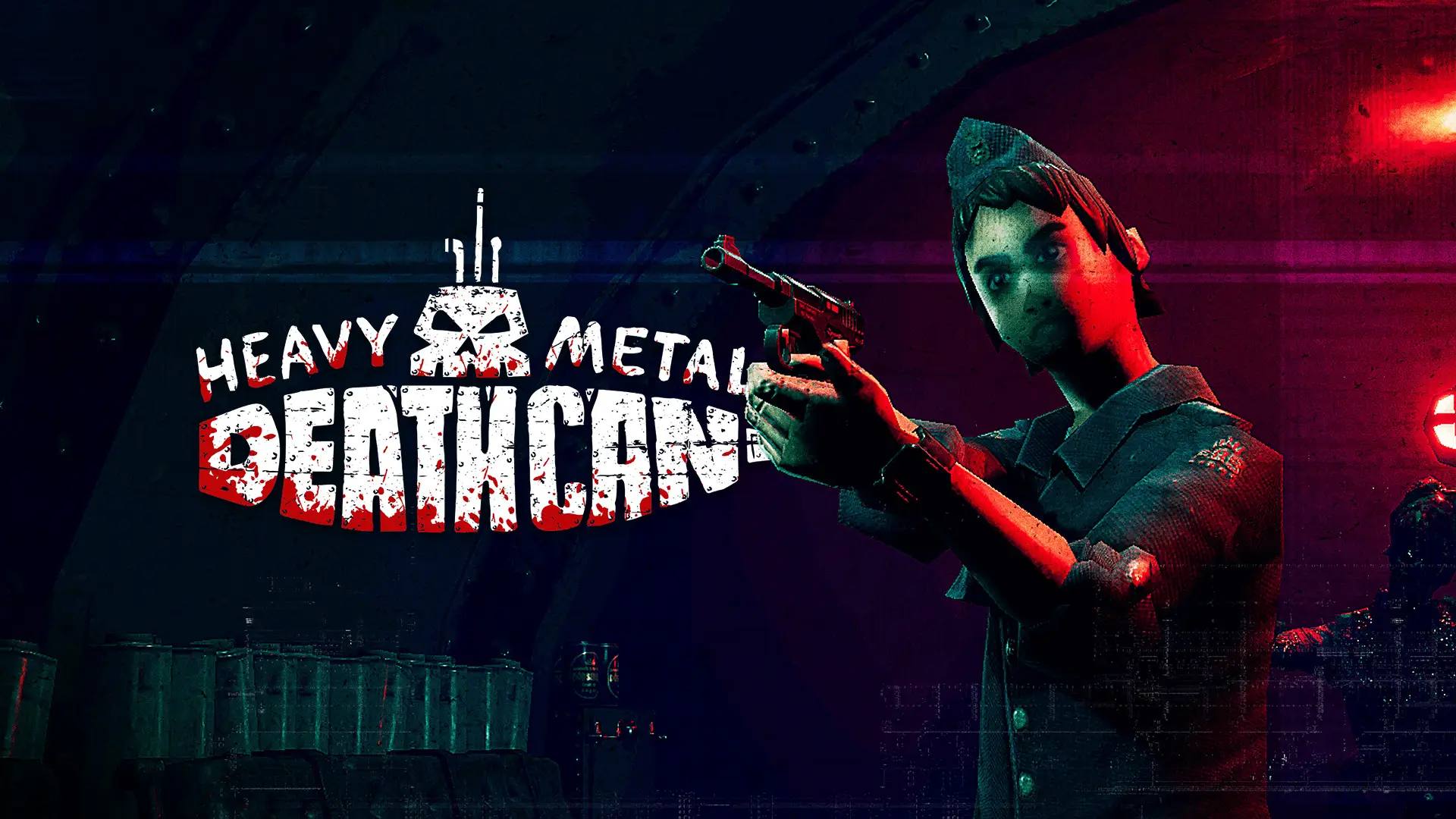
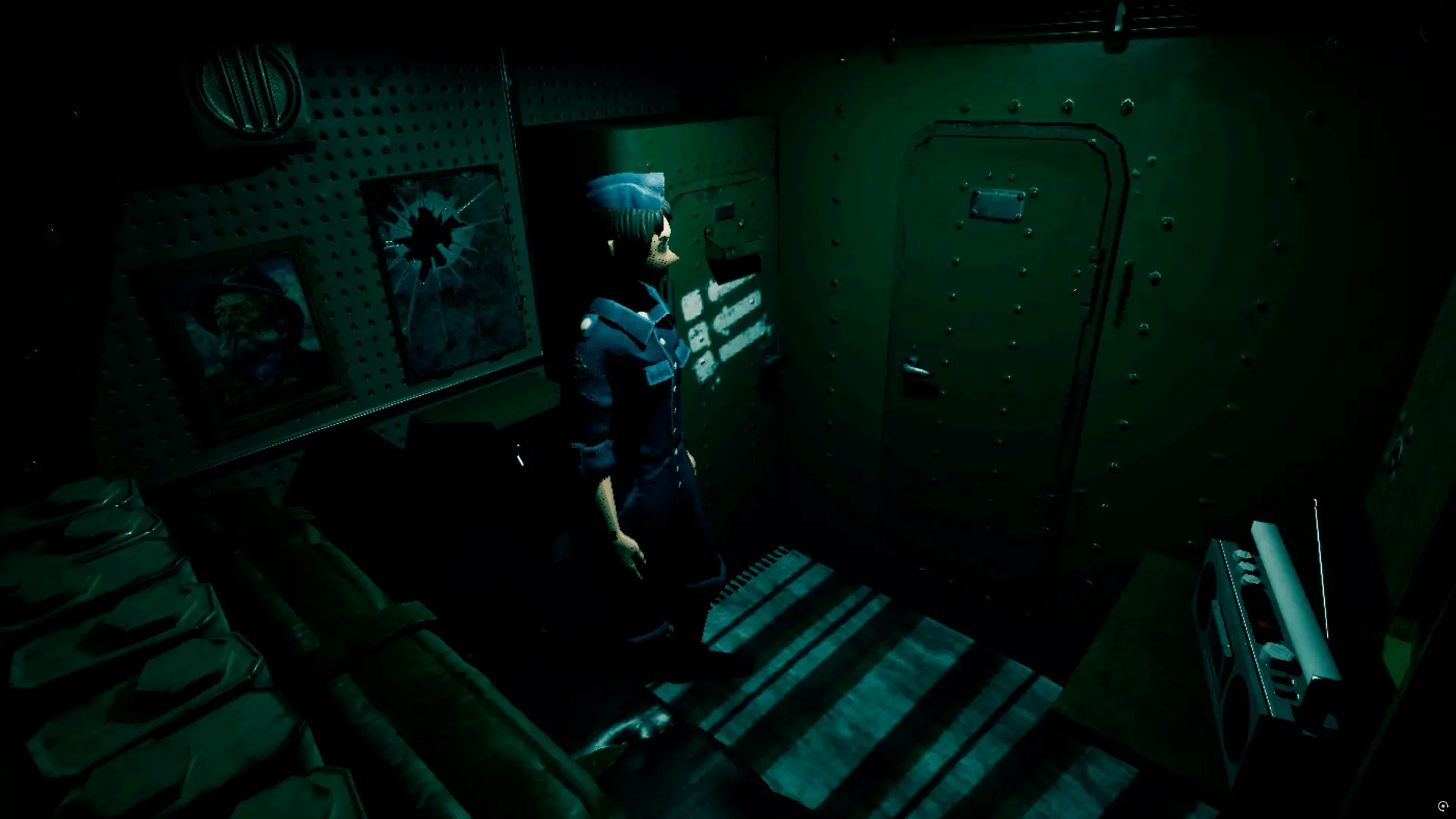
I was very lucky to get my hands on an early copy of the Heavy Metal Death Can demo. This was a game that immediately caught my attention after seeing a few early screenshots. A cramped submarine filled with zombies is an ideal location for a survival horror game.
Before playing, I thought a submarine was a great setting for survival horror, but I did have some concerns once I started. I worried that the environment might feel too restricted. Thankfully, those concerns quickly disappeared. The level design is excellent the hub and spoke level design is as good as you will find in the Resident Evil Spencer Mansion.
If you’d rather see Heavy Metal Death Can in action, watch the video version of this review below!
The demo strongly reminds me of early survival horror games, particularly in how there is very clearly a right and a wrong way to progress. It is entirely possible to play for a long time while completely missing the handgun, which I absolutely loved. Survival horror is all about player vulnerability, and it does not get much more vulnerable than being forced to play without a weapon.
The introduction to Resident Evil 2 gave players a handgun with just fifteen bullets, but here you start with nothing at all. This is a very brave design choice from the development team, and one I sincerely hope they keep for the final game. Heavy Metal Death Can is unapologetically a survival horror game.
The demo offers around one hour of gameplay and acts as a vertical slice of what players can expect from the full release. From what I could tell, all of the core systems are working well. The only feature I was unable to use was saving, as I did not have a tape.
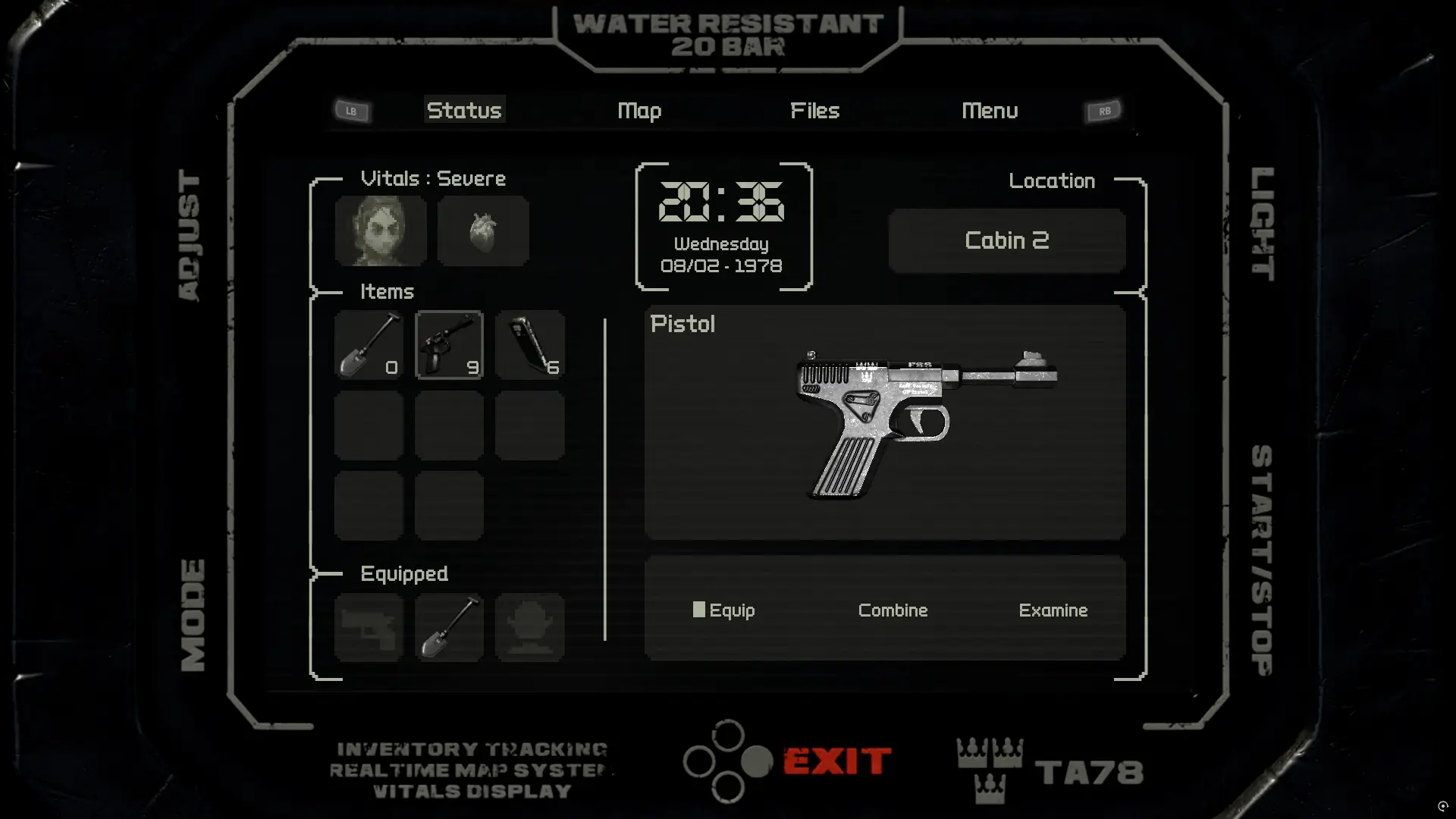
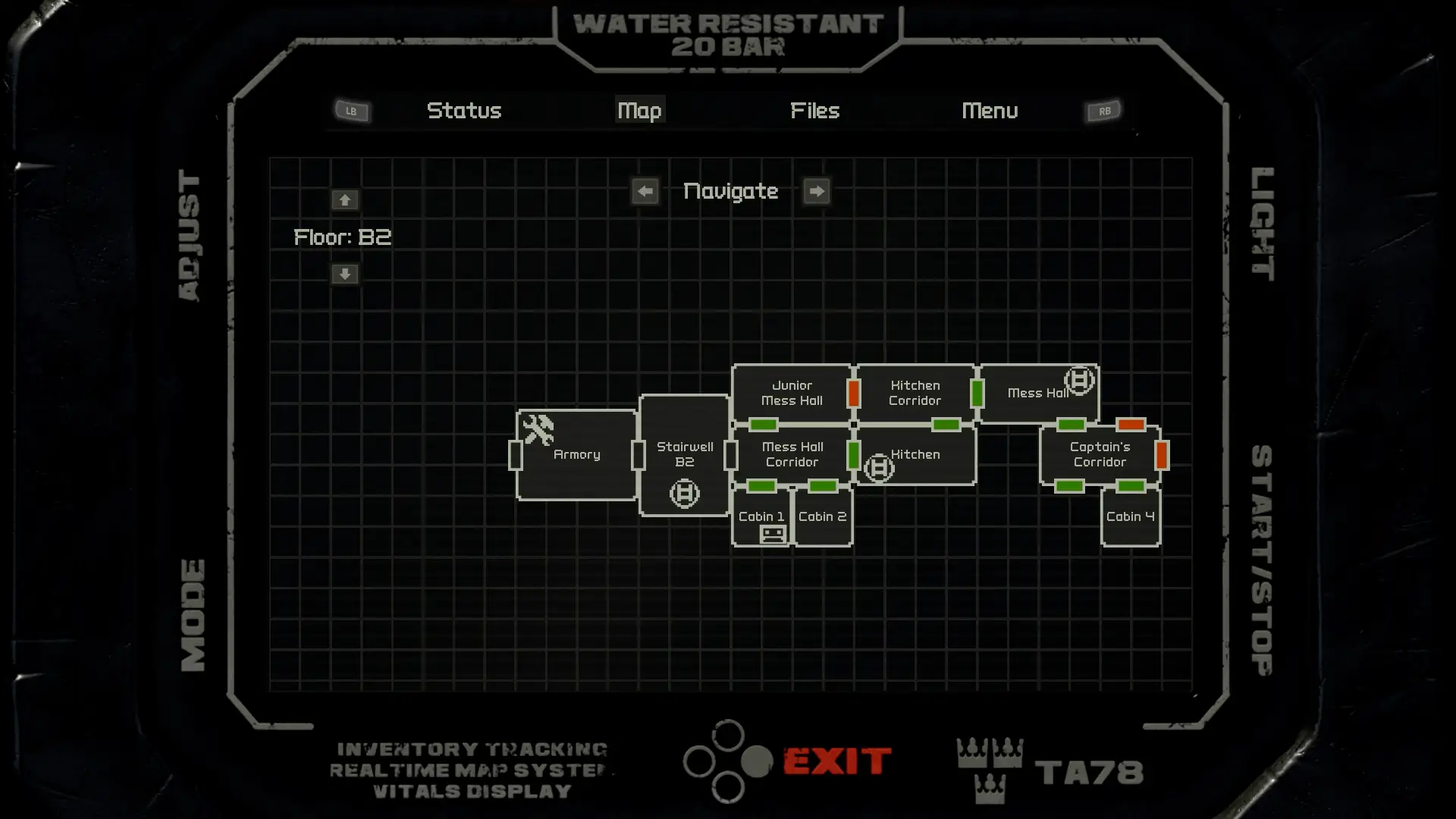
Both the menus and the map function extremely well. I found the map especially useful, as it clearly marks which doors have been opened, which are locked, and which I have yet to try, this really helped me when I was lost. I also loved being able to rotate items in the inventory screen. This is not just an aesthetic feature, but one that actively helps with solving puzzles.
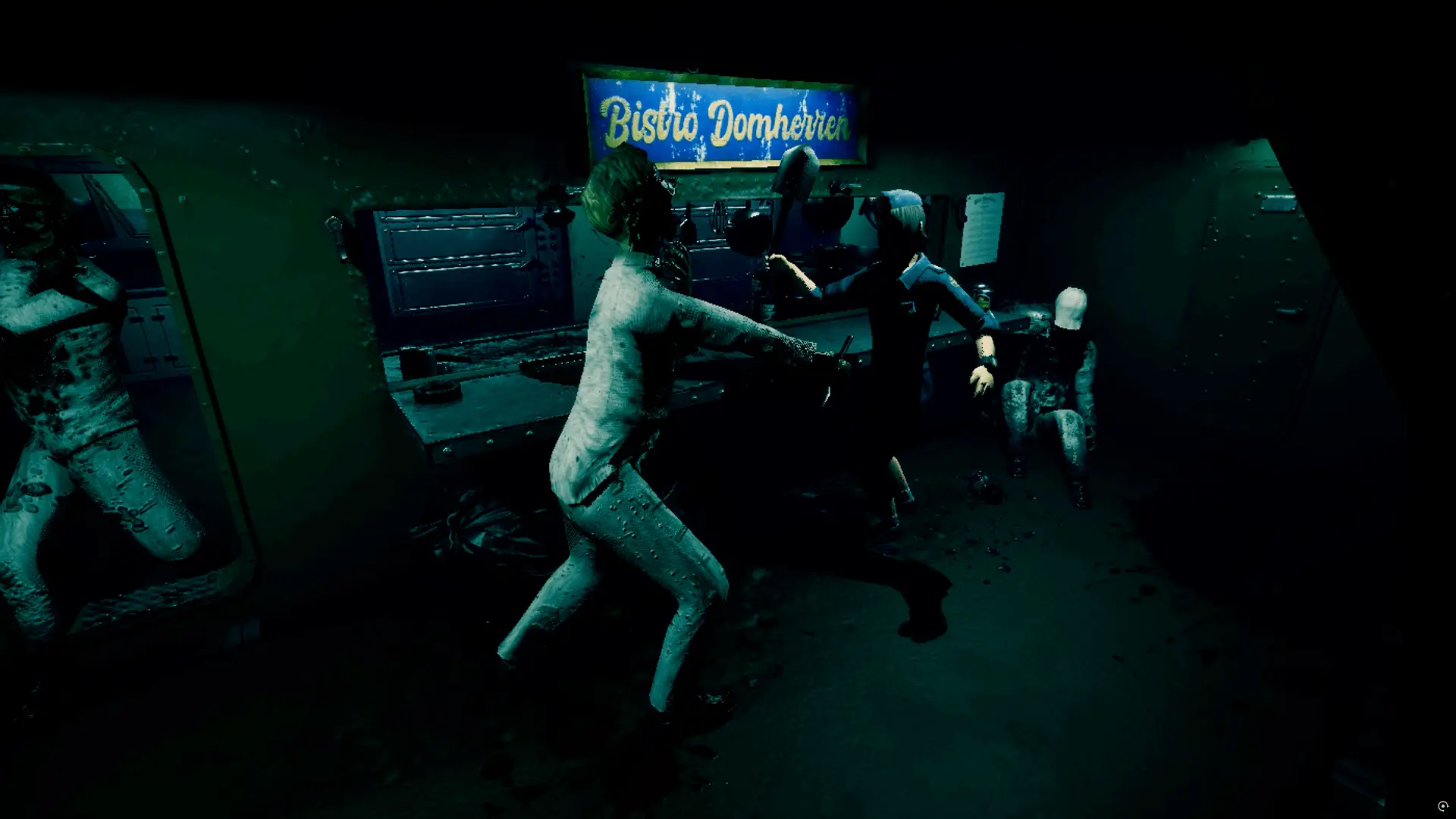
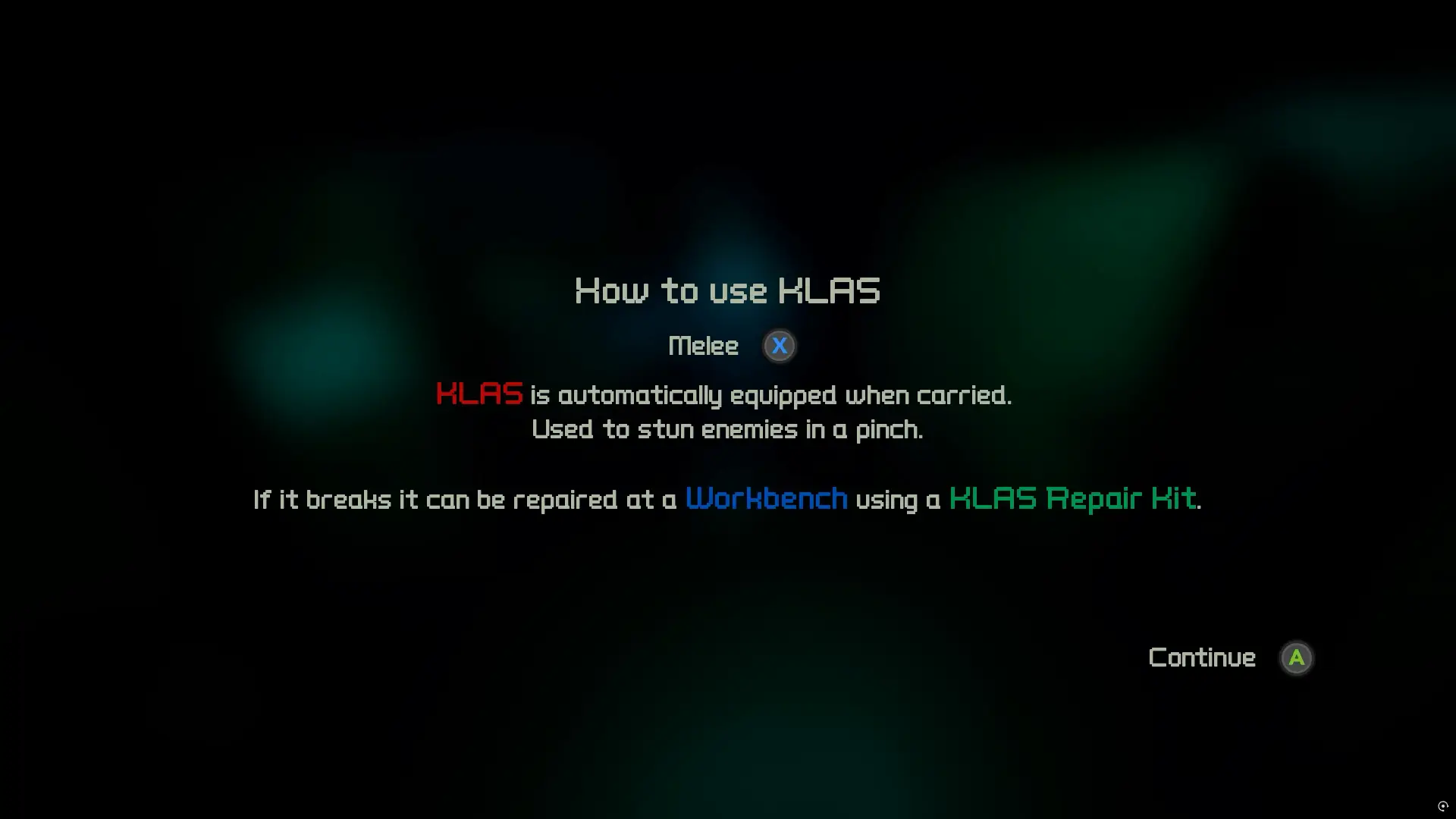
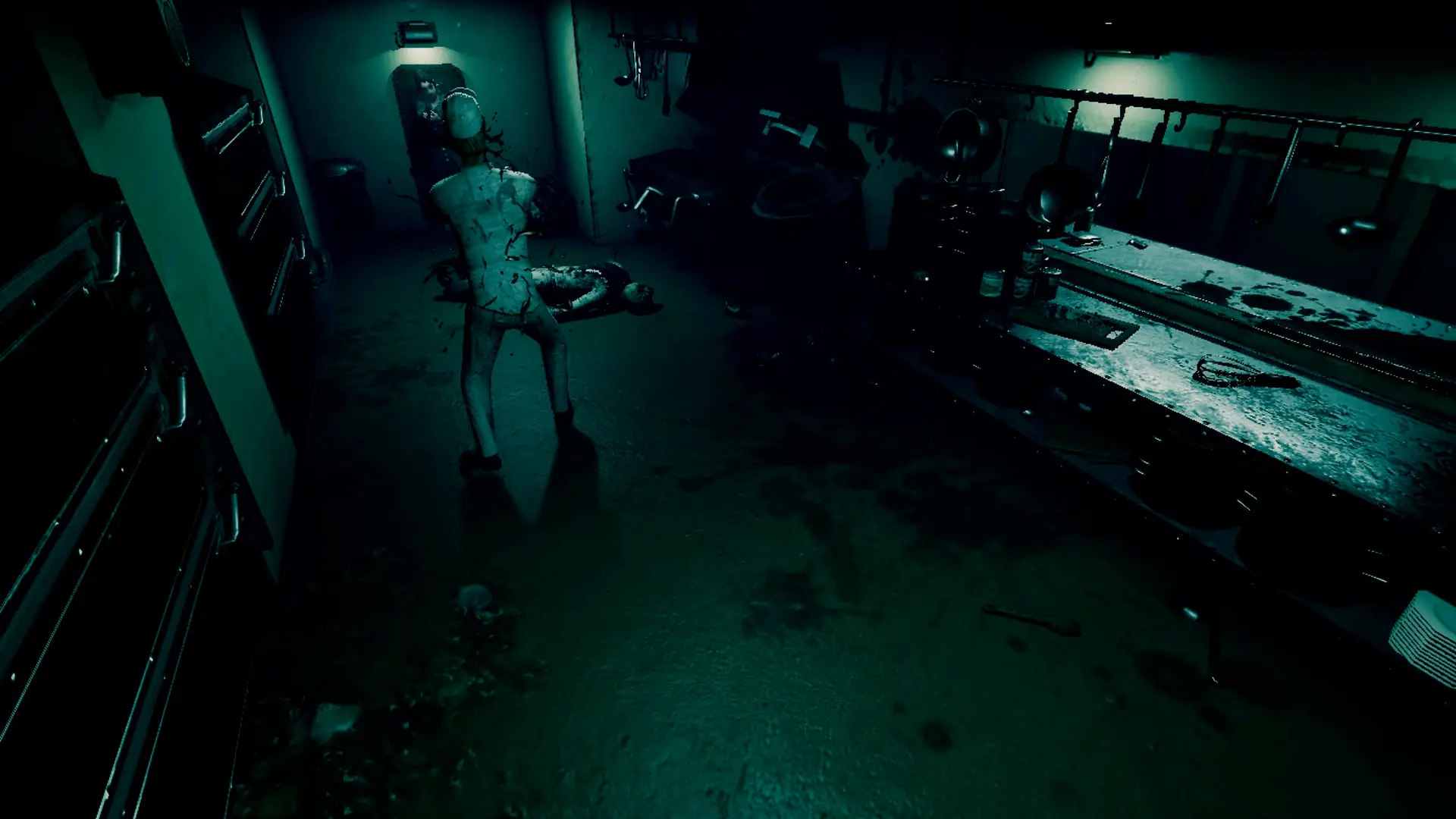
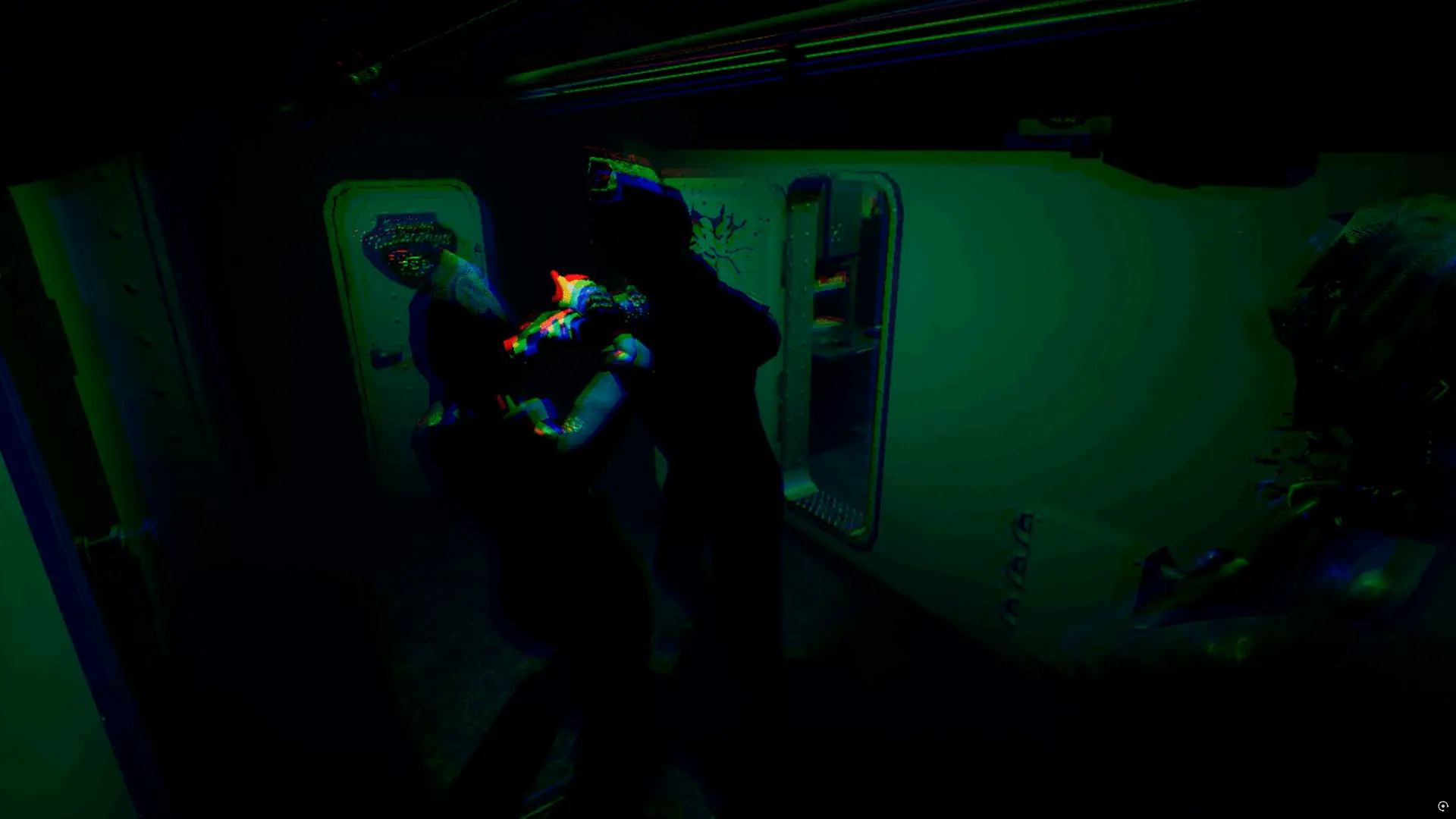
Another similar gameplay mechanic borrowed from the Resident Evil 1 Remake is a defensive weapon called the KLAS. When carried, it is automatically equipped and can be used to stun enemies. It is not designed for fighting, but instead acts as a tool to help you manoeuvre around enemies when ammunition is low or when you want to conserve resources. This strongly reminded me of the single-use defensive items in the Resident Evil 1 remake. In that game, players had access to daggers, flash grenades, and stun guns, all of which would automatically trigger when grabbed by zombies, allowing you to escape without taking damage.
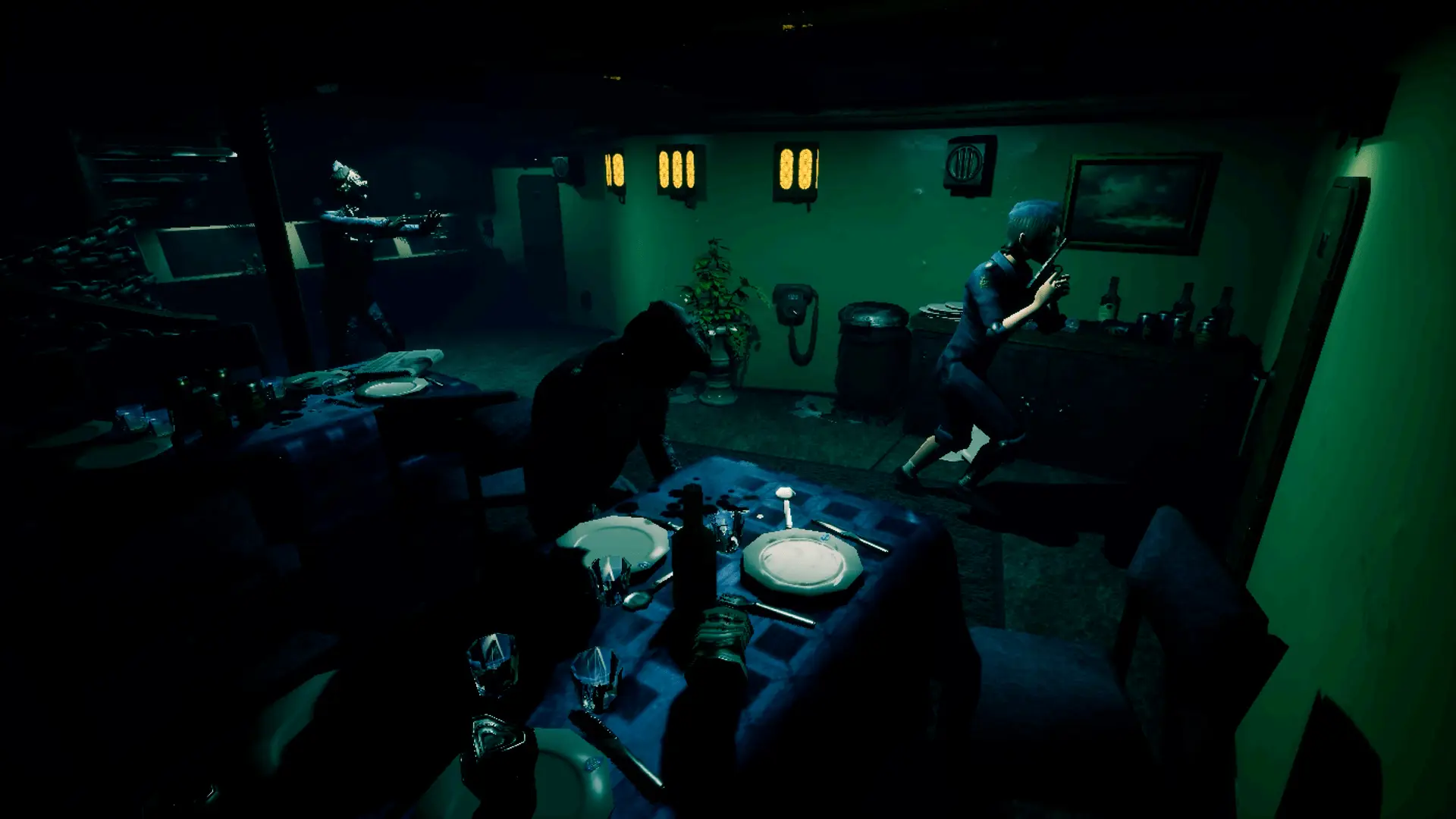
The size of each room and the placement of zombies also brought early Resident Evil titles to mind. At times, you enter a room and are almost immediately confronted by a zombie. In other cases, an enemy may be positioned just off screen, or a sudden ambush catches you by surprise. Some players may find this approach quite claustrophobic, but this is exactly how those classic games felt, and I think the developers have captured that experience perfectly.
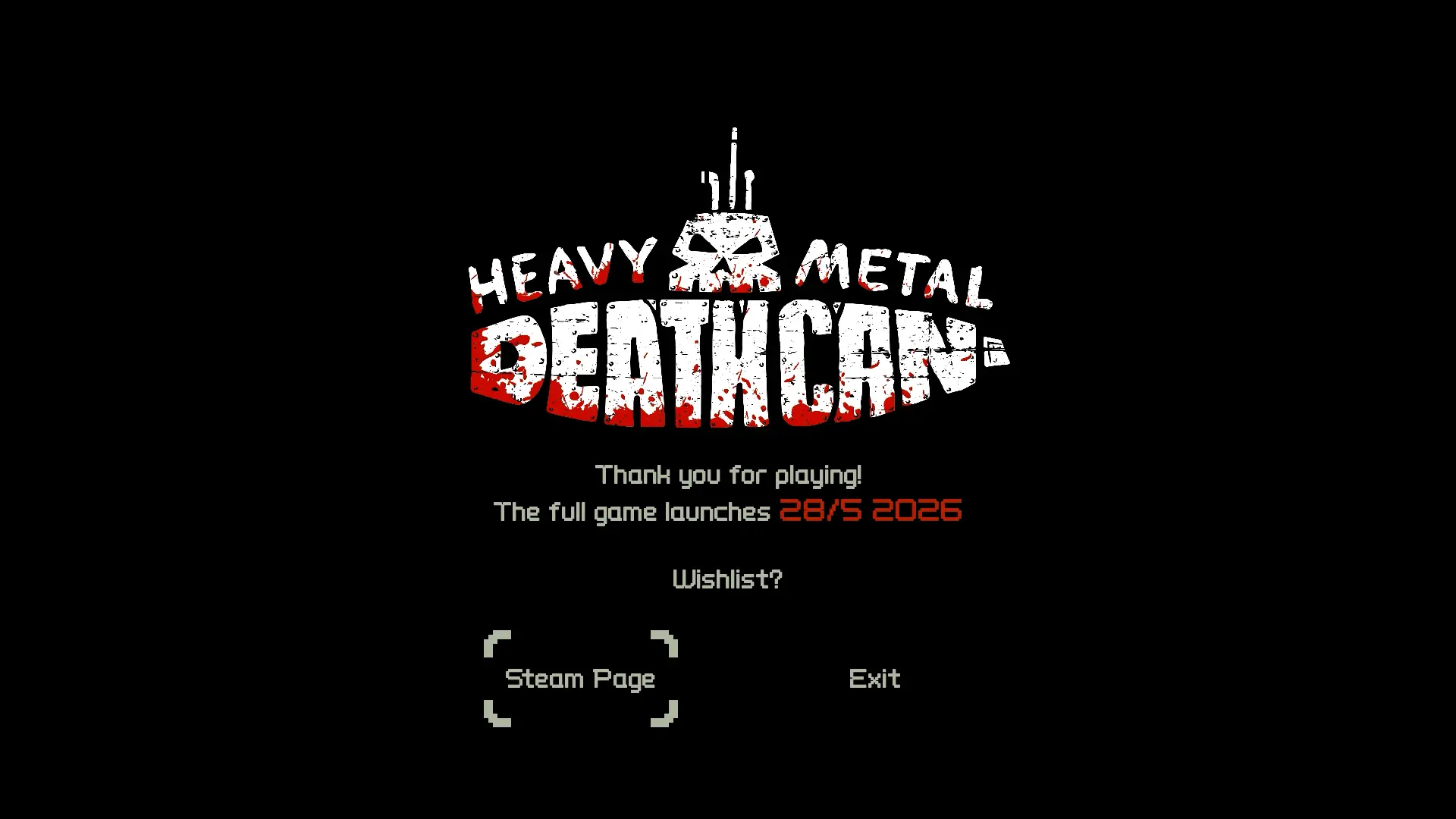
The demo will be available to the public on the 16th of February, so be sure to wishlist Heavy Metal Death Can on Steam to stay up to date with its release. The full game launches on 28 May 2026.