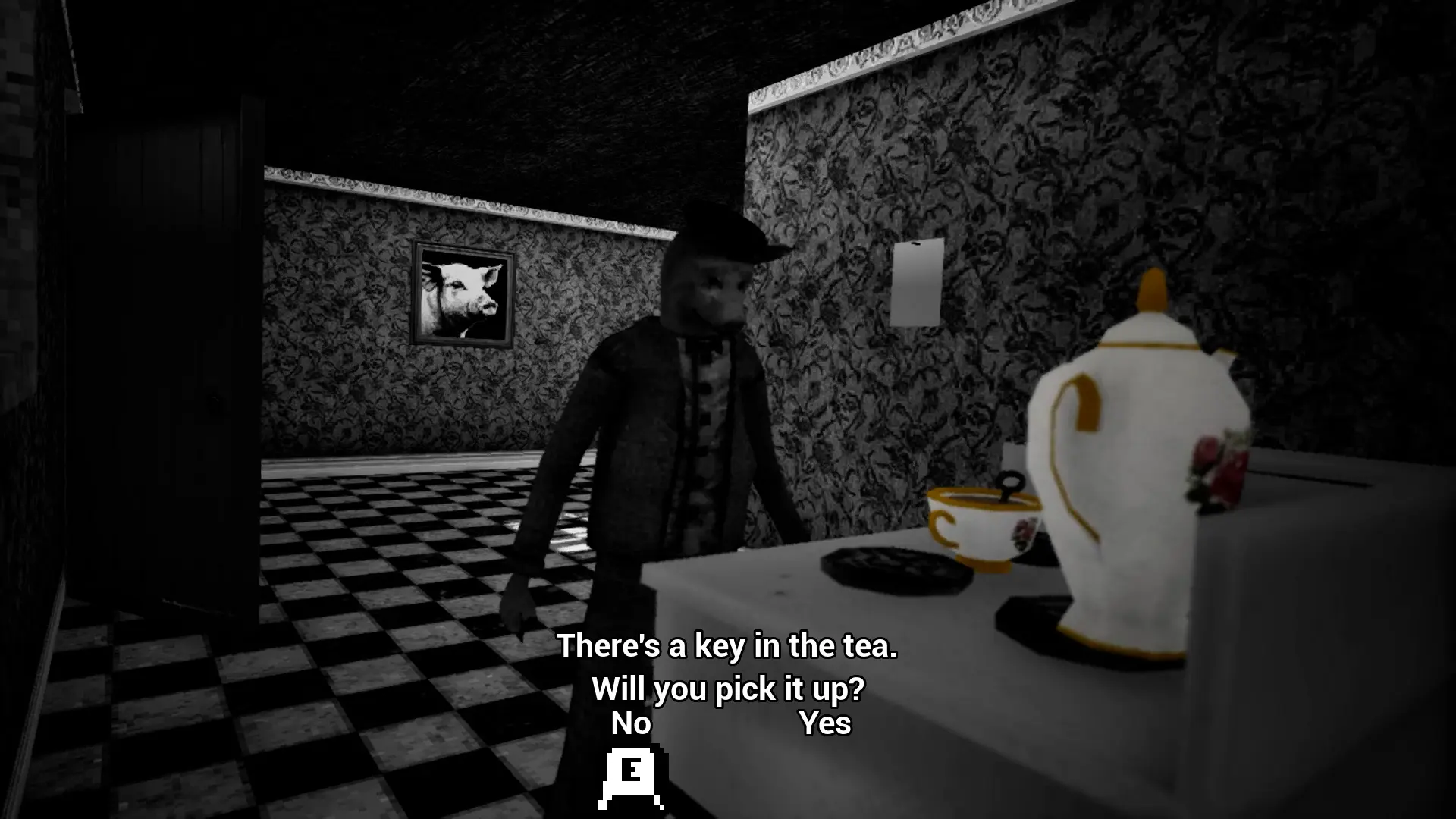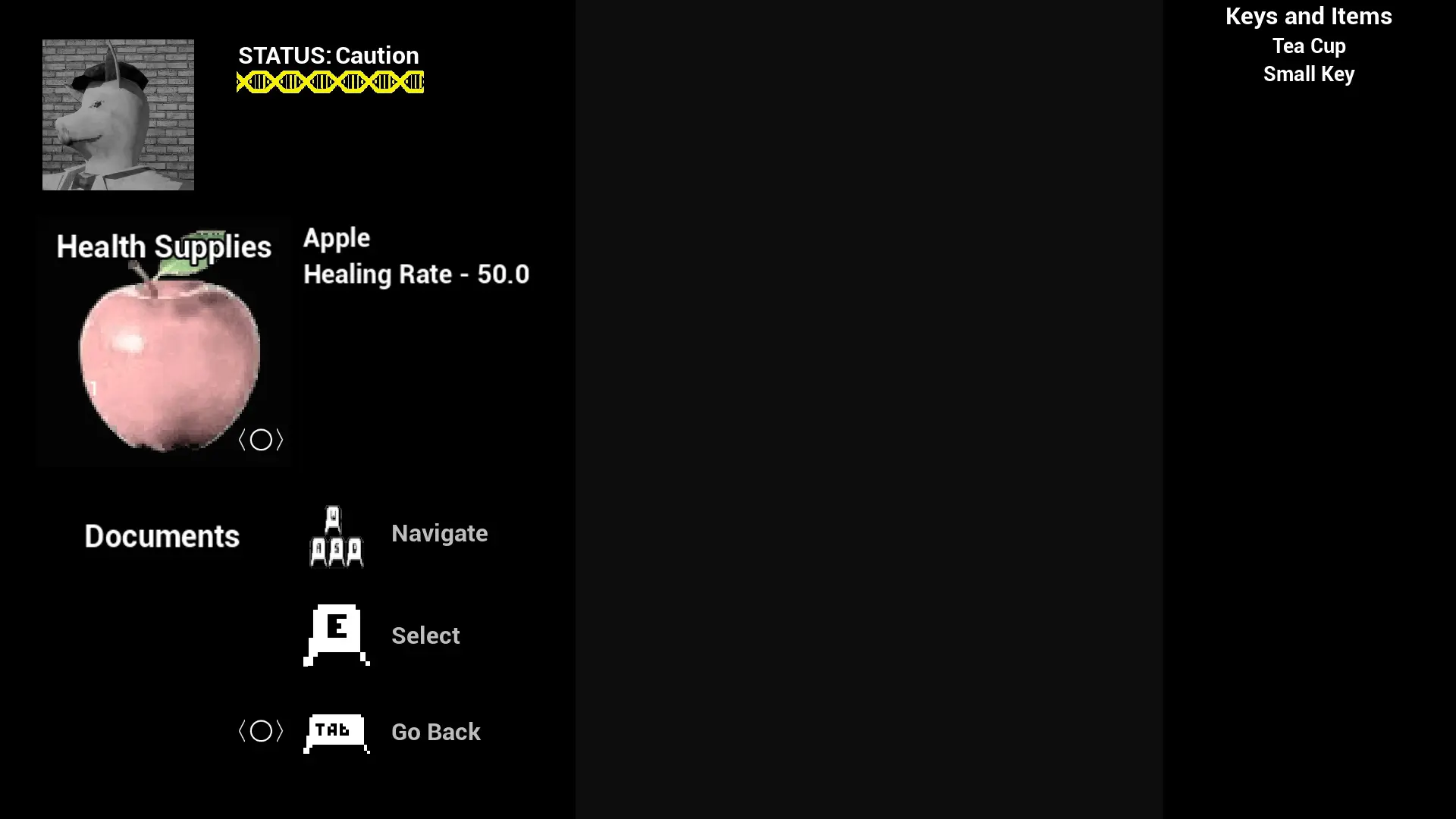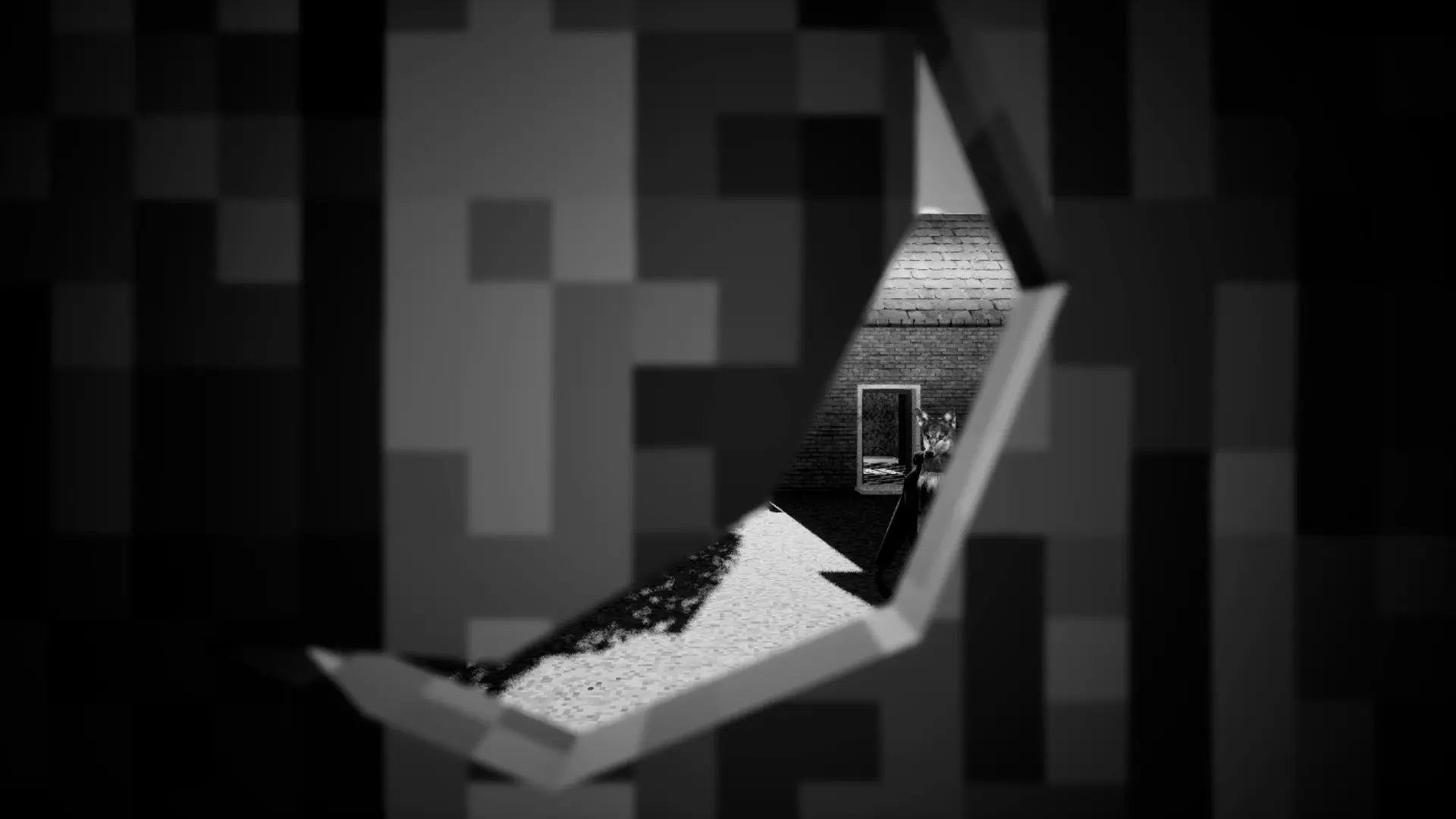
Disclaimer: I received a free review key for A.I.L.A from the publisher. This does not affect my opinions, all thoughts and impressions in this review are my own. A.I.L.A is not a typical survival horror experience, and the developers are upfront about that. The Steam description makes it clear that the game blends multiple horror subgenres, including survival horror, psychological horror, and action horror. It draws from all corners of the horror genre to create something that feels familiar yet unpredictable. Fans of Resident Evil will immediately notice the countless references hidden throughout its levels. However, it is not just Easter eggs. A.I.L.A also borrows from the core gameplay loop of Resident Evil and Alone in the Dark: explore, solve puzzles, fight, repeat. The hub-and-spoke level design reinforces that classic structure, while the constant shifts in tone and setting keep it from feeling derivative. There is plenty of variety too, with environments ranging from a derelict farmhouse to a pirate’s ghost ship, each offering a distinct atmosphere that prevents the experience from becoming stale. If you’d rather see A.I.L.A in action, watch the video version of this review below! If you are here to find out whether A.I.L.A is worth playing, let me save you some time: Yes! I went in with no expectations, having never played Pulsatrix Studios’ earlier title Fobia – St. Dinfna Hotel. Although it took a little time for the game to grow on me, once it did, I could not put it down. In the end, A.I.L.A worked for me because it delivered a completely different kind of horror experience that I did not realise I was missing. The Meta World of A.I.L.A In A.I.L.A, you step into the role of Samuel, a beta tester for a VR project that shares the same title. The experience often felt surreal to me, as I was reviewing a game built around the idea of reviewing a game. Even the process of installing the in-game system is carried out manually, and this idea becomes much more intricate during a later puzzle, the whole game is very meta. Your main hub area is Samuel’s apartment, which might sound like an unexciting location, but there is always something new happening. The space is detailed and changes a lot through the game. The apartment sequences reminded me of Silent Hill 4: The Room, as well as the film 1408, with their sense of being trapped in a room you can’t escape. A large part of the game’s appeal comes from never knowing where you will end up next. Each scenario is set in a different location or time period, and the shifts are dramatic enough that you can never be certain what might be waiting behind the next door. The Many Doors of A.I.L.A There is something iconic about the door animations in the early Resident Evil games, which is why our logo features a red door. You never quite knew what was waiting on the other side which added to the tension that defined classic survival horror. In many ways, A.I.L.A could almost be described as a door-opening simulator, although I am fairly sure that is not an actual genre. In the early Resident Evil titles, the loading screens created a real sense of anticipation, and Pulsatrix Studios has taken that concept and reimagined it in a modern way. In the first area, for example, you must navigate a maze of countless doors, never knowing what you will step into next. Rooms can change after you leave them, and sometimes even the moment you turn your back, objects shift or rearrange themselves, keeping you constantly on edge. Mannequins and other objects shift whenever you turn your back on them, creating a constant sense of uncertainty. Not knowing what might be behind you, or what might be waiting through the next door, is when the horror is at its strongest. These moments work because the unknown is always more frightening than what is in front of you. In a later level, you find yourself in a Resident Evil 7 style farmhouse, fighting aliens. These encounters lean far more towards action horror than psychological horror. The change of pace does help to keep things lively, but the alien enemies are among the weakest enemies in the game (there are much better enemy types later). They are more irritating than frightening, and once the action takes over, some of the tension disappears. When you understand exactly what you are dealing with, the fear of the unknown is lost. Although I was not a fan of the alien enemies, I did enjoy the level itself, particularly the visuals of the farmhouse. In fact, the graphical presentation throughout the entire game is impressive, although I will touch more on that later. What made the farmhouse especially engaging was its puzzles. The whole location feels like a large, interconnected puzzle box waiting to be solved, and that sense of discovery is what kept me playing. Puzzle Solving A large portion of your time will be spent solving puzzles, and for me they are pitched at just the right level of difficulty. They are not so easy that they become dull, yet not so challenging that you feel the need to look up the solutions online. There were moments when I was close to giving up, but whenever I stopped and searched a little longer, the clue I needed was usually nearby and often in the very room I was standing in. If you approach the game in the same way you would an early Resident Evil title, you will be fine. By that I mean you should search everything and read every clue. Searching highly detailed environments is one of the reasons I love survival horror games. I recently reviewed Tormented Souls 2, and one of my favourite aspects of that game was exploring its environments. However, when you explore in third-person with a fixed camera that is quite far back, it can be difficult