
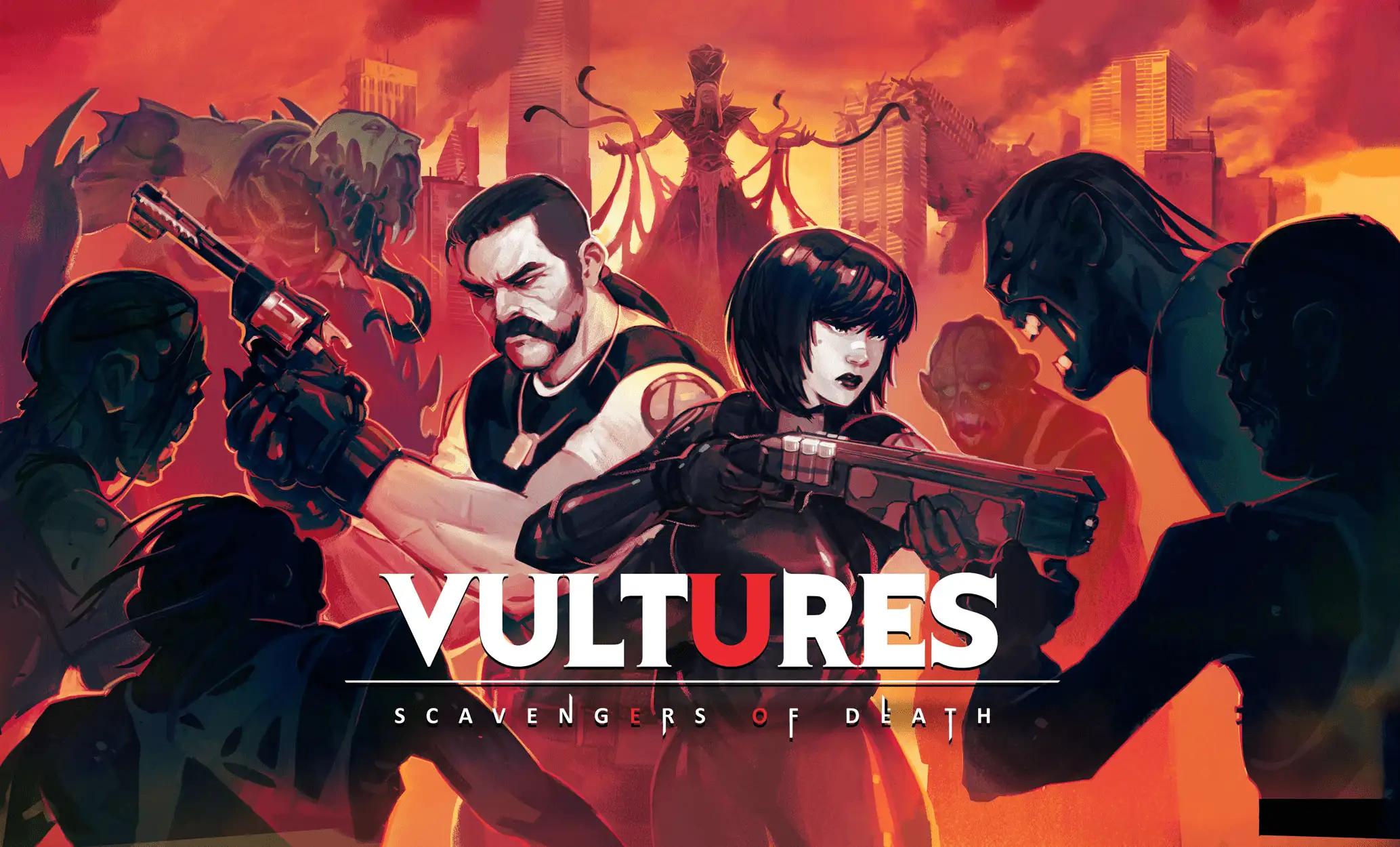
Disclaimer: I received a free preview code for Vultures Scavengers of Death. There were known issues and missing content, but I played roughly 90% of the game, and any bugs I encountered were being actively patched.
At first, I thought Vultures – Scavengers of Death (from here on referred to simply as Vultures) was a completely unique concept, combining RPG and survival horror elements in a way no one had attempted before. However, there is already a precedent in games such as Sweet Home, Parasite Eve, Koudelka, Look Outside and House of Necrosis. In all of these cases, I would consider the genre to be RPG first, with survival horror elements as a secondary focus.
When Giovanni (Agar3s) and Mateo (Carenalga) created Vultures, they leaned heavily into the survival horror influnce. Resident Evil 2 was a huge influence for both gameplay mechanics and visuals. The first level feels strikingly similar to the Raccoon City Police Department, while a later the Delta Apartment Complex could easily be mistaken for a lost level from Silent Hill 2.
There are two playable characters. Amber has a grappling gun, which allows her to traverse the environment and cross large gaps. The grappling gun can also be used to pull weakened zombies towards you or drag them off ledges, killing them instantly. This is a great way to deal with enemies without firing a single shot. I also found it useful for grappling towards bosses and focusing on them first, which can sometimes cause smaller enemies to die when the boss is defeated.
Leopoldo is stronger and can push more enemies than Amber. He also has a reposition action which, although not as useful as the grappling gun, definitely helped me get out of harm’s way more than once. Although there are two characters, you do not get to choose between them before each level. The levels are designed around each character, so you could not play Amber’s levels as Leopoldo, as he does not have the grappling gun.
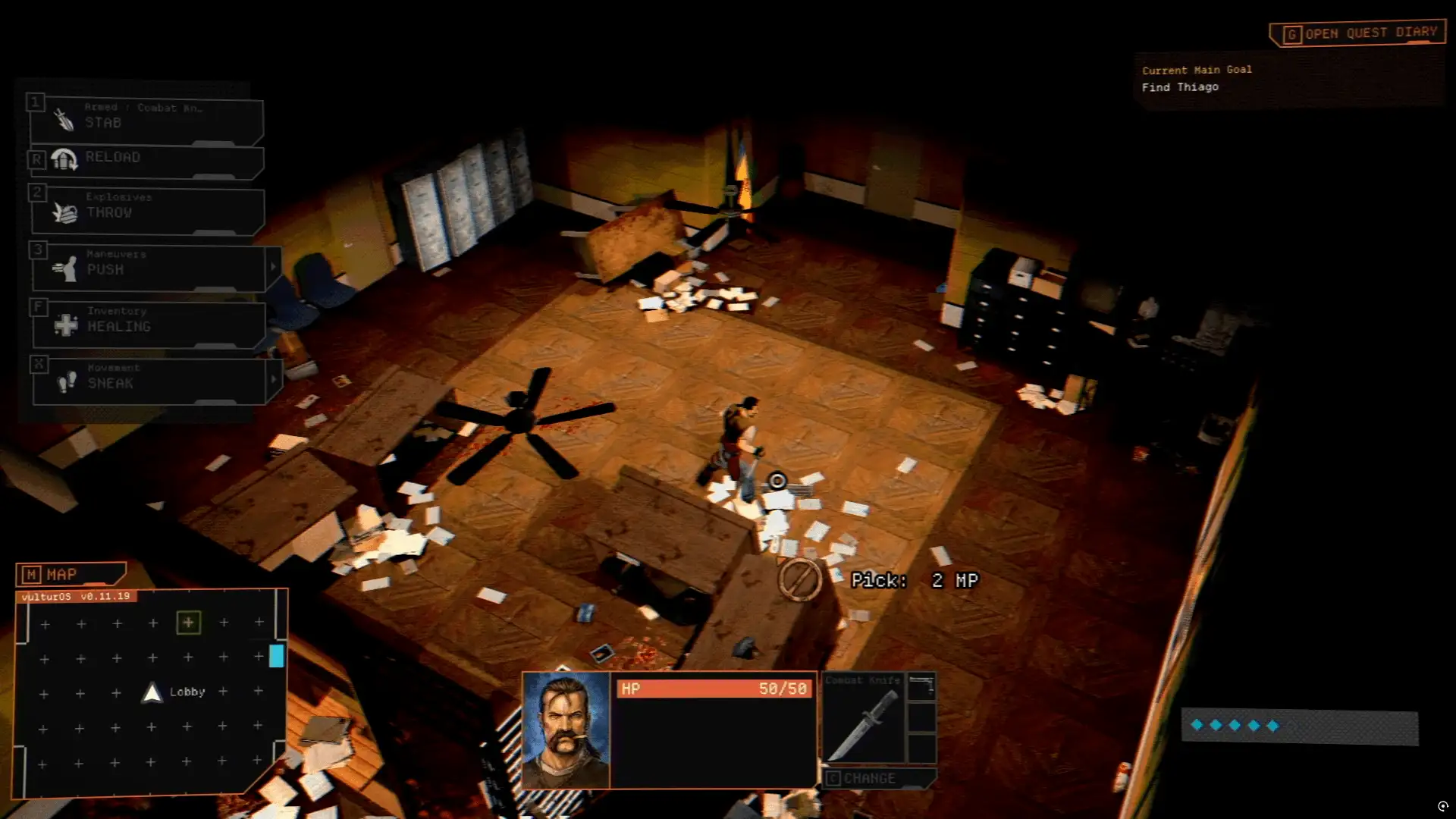
Tactical Turn Based Gameplay
When I reviewed the demo in a previous article, I said that you played as a vulnerable character with scarce resources. Sometimes I would be met with a room full of zombies and not enough ammo to deal with them. My experience with the full game was different because I learned about some of the other combat features.
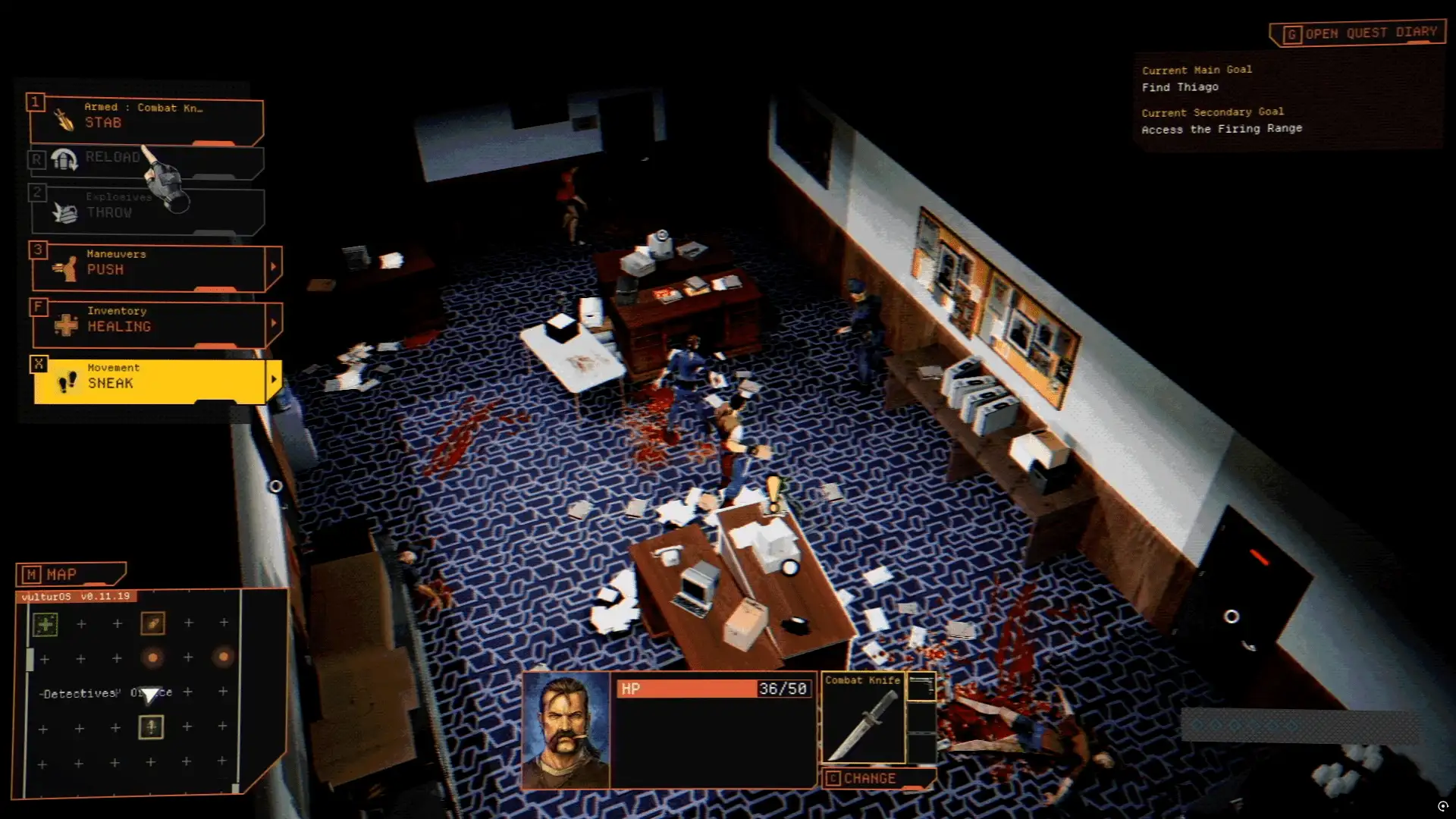
I would highly recommend playing the tutorial mode before starting the first mission. There are some subtle but very effective actions that I would not have known about if I had not played the tutorial first. Two of the most useful are switch position and push. Switch position with Leopoldo is the equivalent of running through an enemy, and push is very useful for knocking enemies off ledges or into other environmental hazards.
By far the most effective way to use the push function is to shove an enemy against a wall, stunning them and giving you plenty of free hits. Most of the time, you can sneak around with your knife in fact, if you time it right, you can stun enemies and then finish them off with repeated strikes. When you stun an enemy, it can no longer move, which takes you out of combat. You can then continue a stab and stun cycle until the enemy is dead.
There is a dilemma in survival horror: if you make the player too vulnerable, they may not be able to progress past certain sections of the game. In traditional survival horror titles, players can avoid combat altogether and simply run past enemies. This means that, no matter how low your resources are, you can still complete levels. I never felt that avoiding combat in Vultures was the right approach. In fact, there were times when you could not leave a room, as the game prevents you from doing so until all enemies are defeated.
There are some sections where, in theory, you could run from enemies to conserve resources, but it is far more practical to either keep your distance and shoot, push enemies to stun them, or switch places with them and retreat while attacking.
Survival Horror Elements
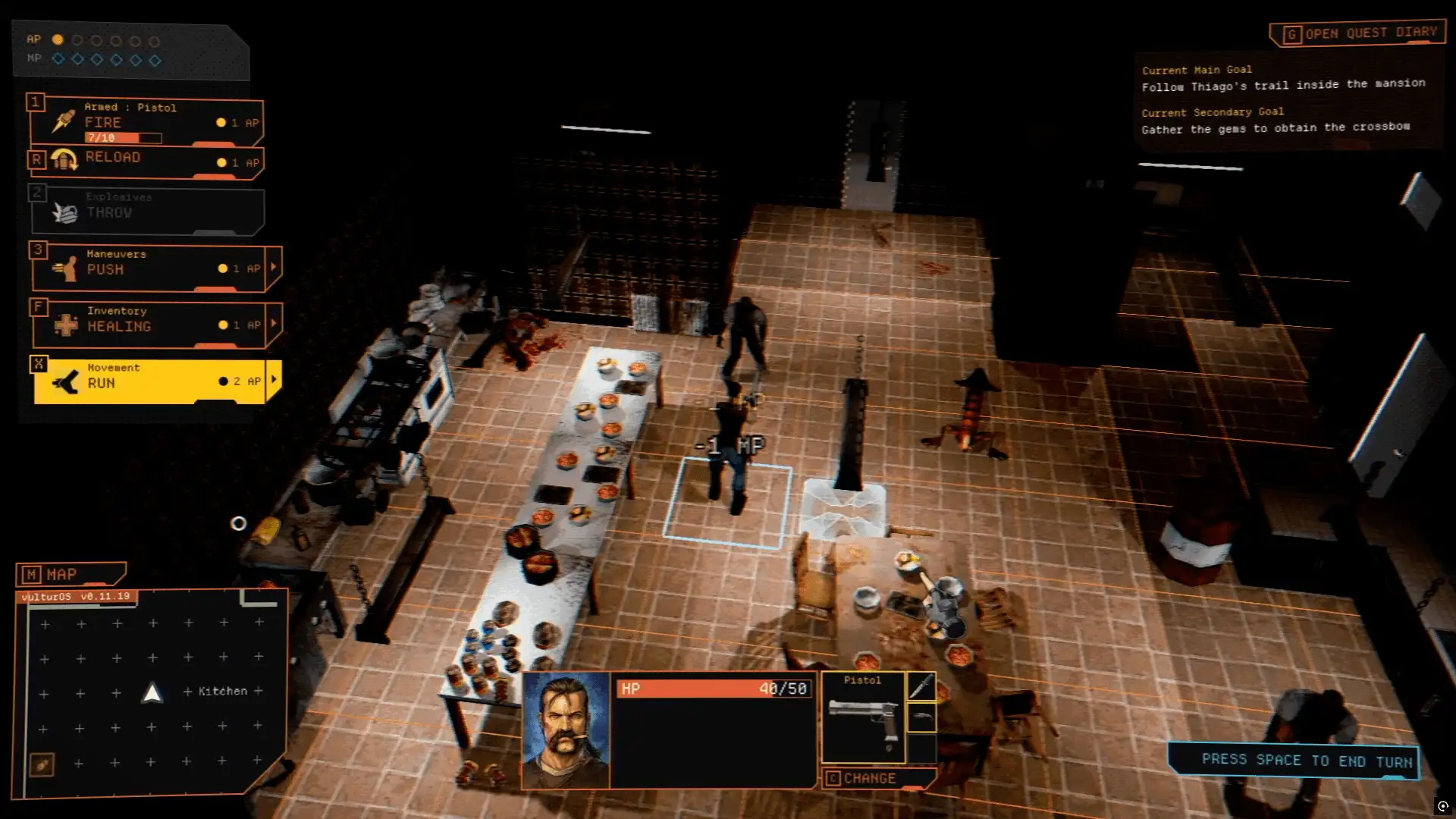
At its core, Vultures is a tactical turn-based game, but it includes a strong range of survival horror elements.
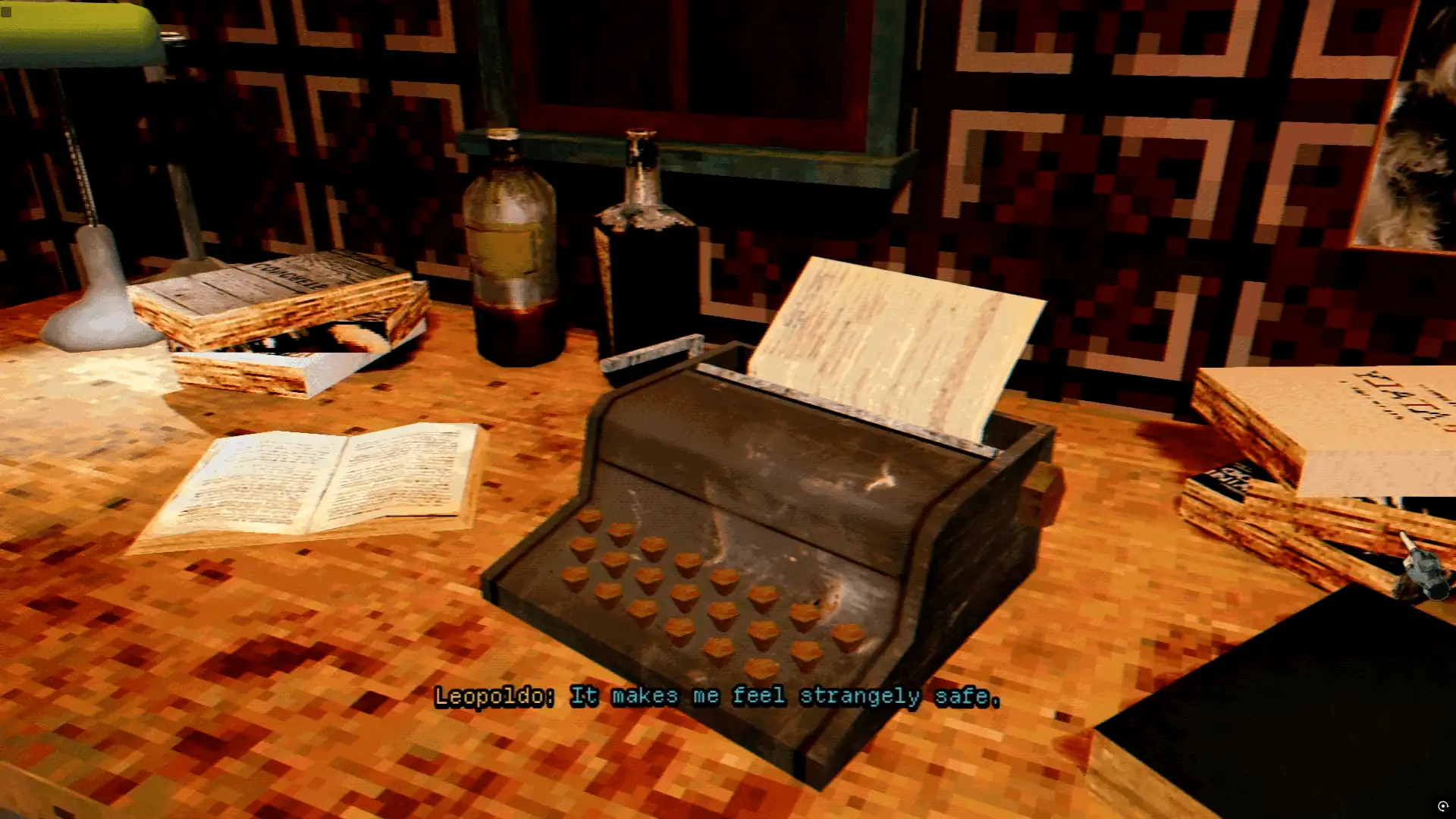
The game features the classic survival horror save room, complete with very fitting music, which somehow sounds like something from the late 90s Resident Evil titles while still feeling modern. There is health in some of these rooms in the form of a water cooler, giving you that sense of relief associated with survival horror save rooms. These water coolers are also scattered throughout parts of the level however, there is a limit on how often you can use them.
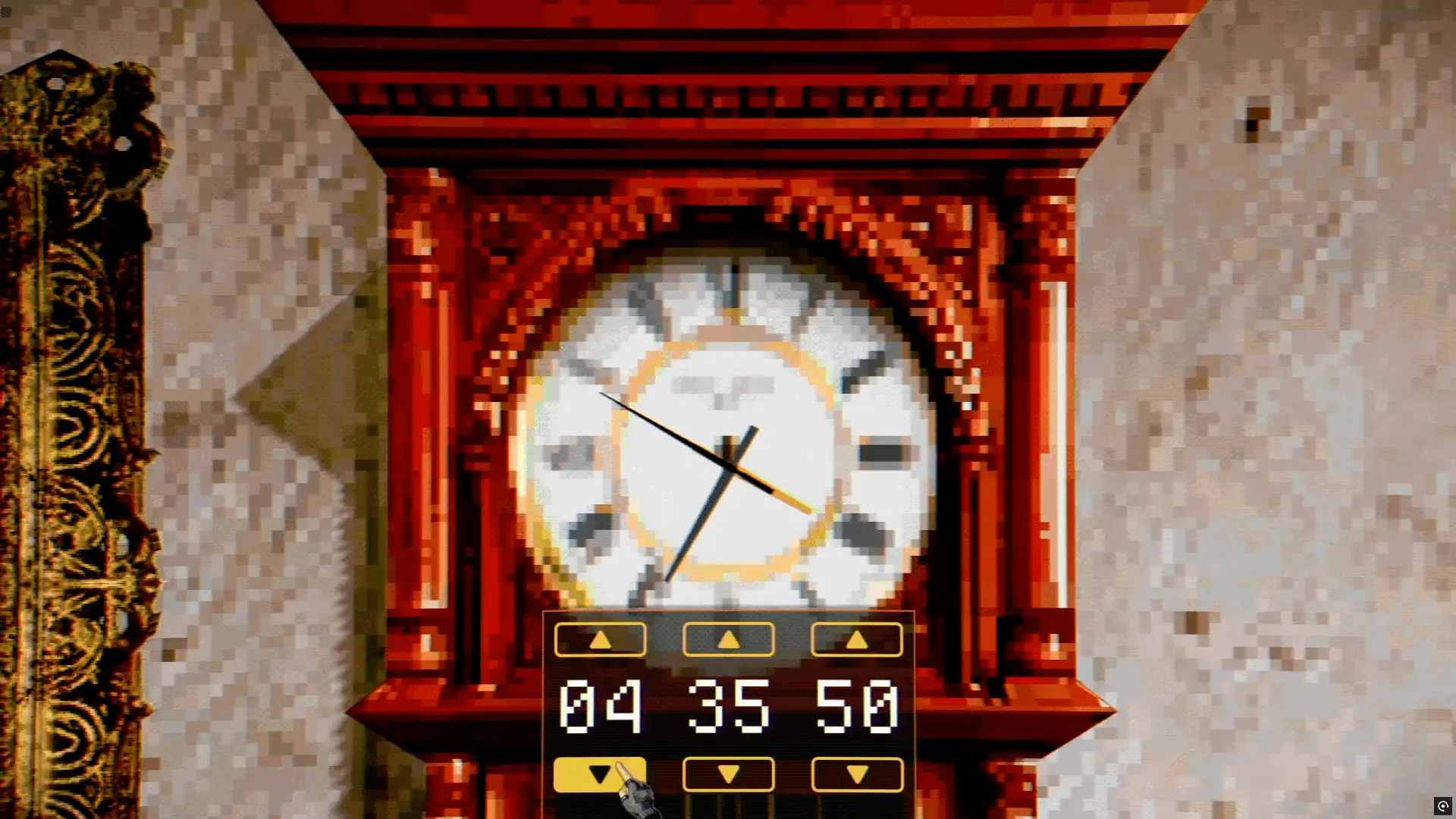
Most levels in the game feature puzzles, some are the standard find a code for safe type puzzle where you have to search for a note with the code. But there are also a few more complex puzzles like a clock puzzle where you have to study paintings in an art gallery to get the correct time for the clock. This one was a highlight for me, it was very simaler to the art gallery painting puzzle from Resident Evil 1 but it had it’s own unique take and was enjoyable to solve.
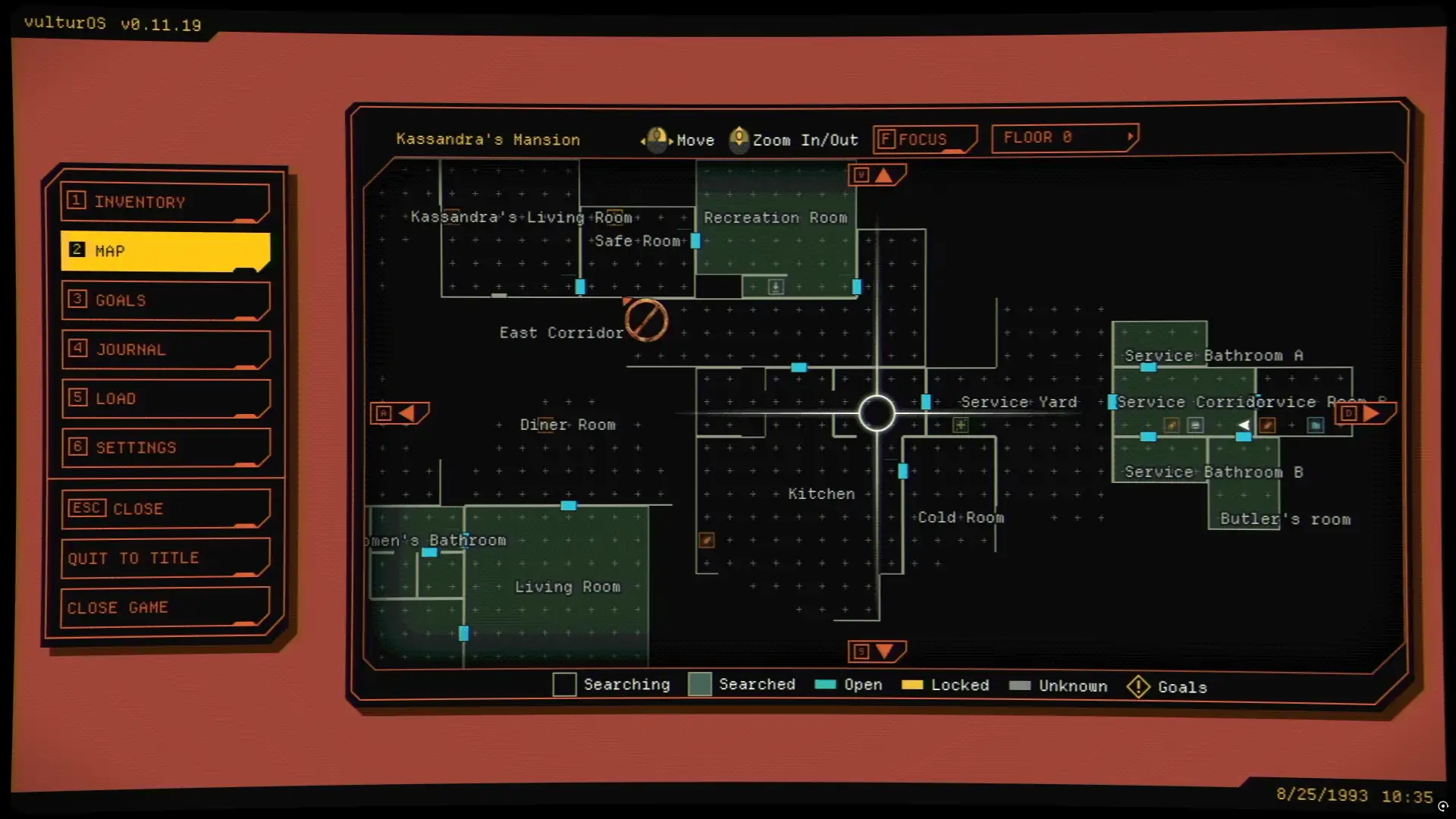
The in game map is very helpful when navagting the hub and spoke levels. The gameplay loop for most levels is branch off from the main hub, finding keys, solving puzzles and unlocking doors. Fans of early Resident Evil games should feel right at home here.
Within each level, there are missable items and optional objectives. You could easily miss some very useful weapons if you reach the end of a level too quickly and do not explore all of the rooms. I played for 12 hours, and there was still more to do, including at least one optional weapon that I missed.
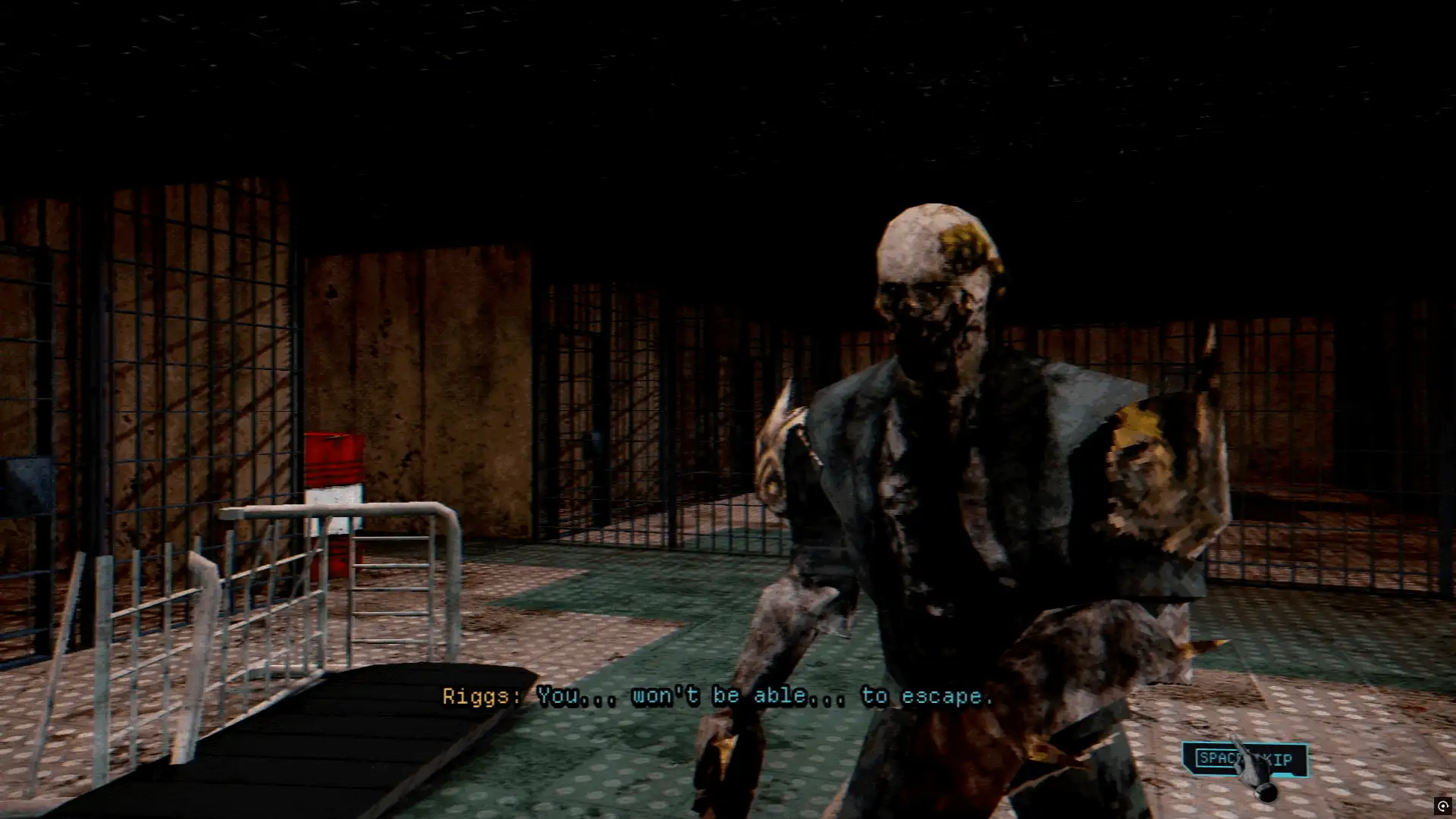
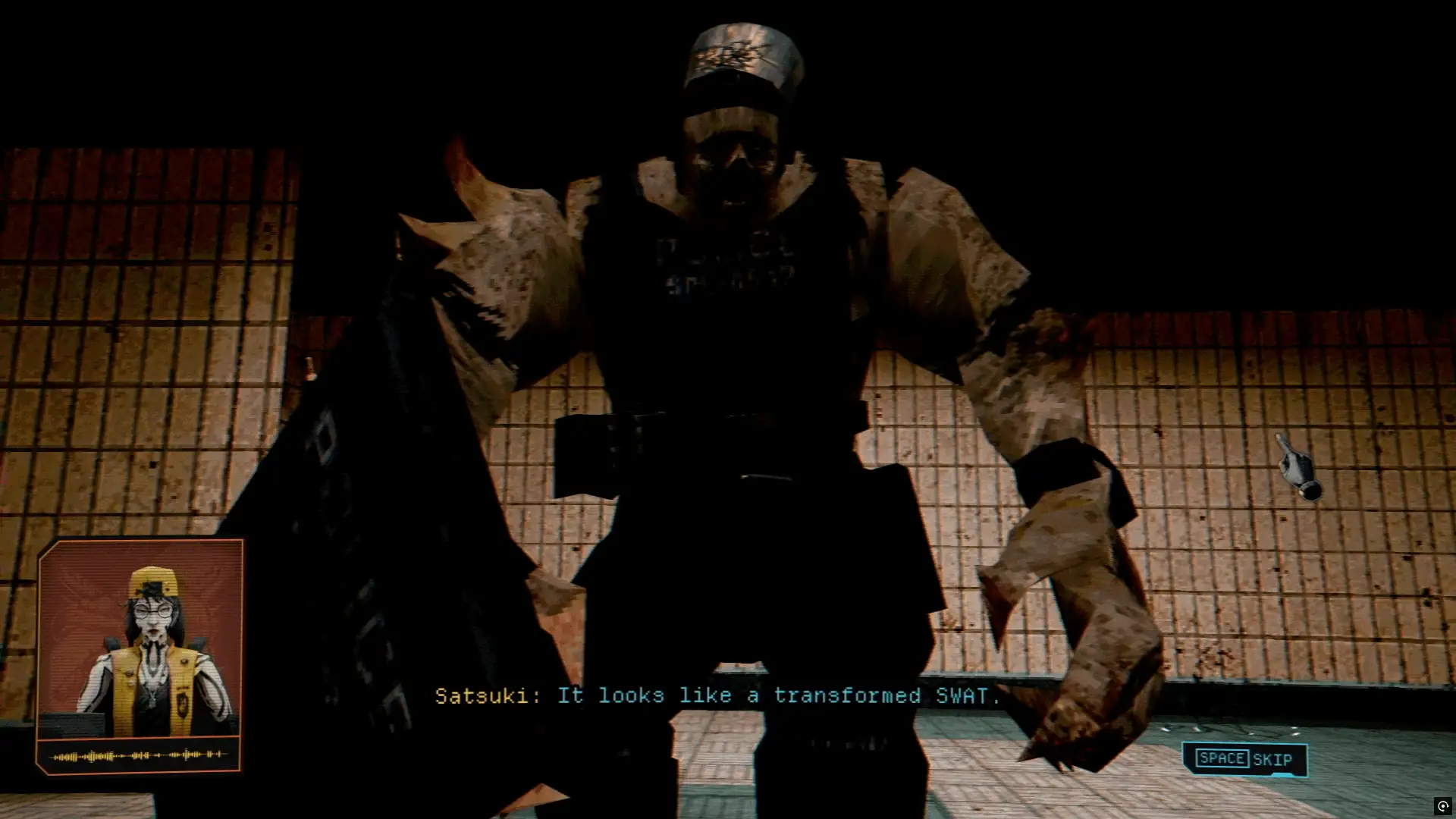
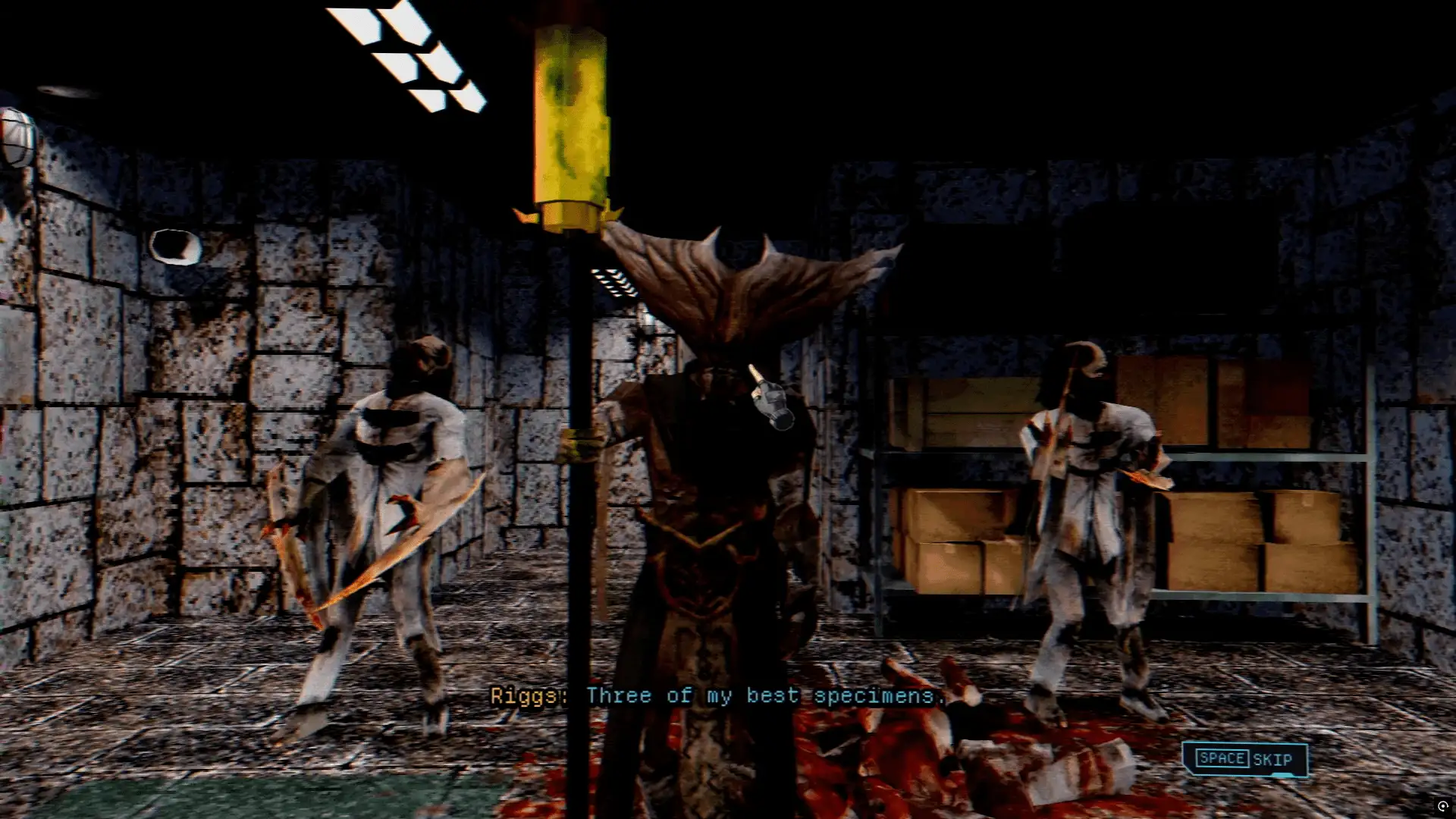
For an indie game, I was impressed by the variety of enemies, not just in their different models but in how unique they are to fight. Each time you are introduced to a new enemy, it feels like a mini boss fight, which is usually quite tense.
Conclusion
I went into Vultures with an open mind regarding its identity as a survival horror game, and while it does feature many survival horror elements, and as my review of the demo shows it meets almost all of my “Golden Rules”, ultimately it is more accurate to describe Vultures as a turn-based strategy game with survival horror elements. There is nothing wrong with that. I have to include my obligatory statement here: a game’s genre is not a value judgement.
I was having so much fun playing Vultures, and I was very impressed by what a small indie team can achieve. The combat feels so close to games like Incubation: Time Is Running Out and XCOM: Enemy Unknown that I almost forgot it was survival horror, which makes its genre harder to define. Turn-based gameplay does not lend itself to a strong sense of vulnerability, partly becasue the gameplay is frozen and you get all the time you need to think about what to do next. There may be many elements drawn from Resident Evil, and the game is visually similar to Silent Hill, but the combat is more methodical and controlled, allowing you to plan and manage encounters rather than react under pressure.
It is difficult to present the player as both vulnerable and capable of clearing entire rooms of enemies at the same time. In practice, it is often better to eliminate every enemy rather than avoid them, which pushes the game closer to action horror. In Vultures, you feel more like a combat specialist than a survivor, which undercuts the survival horror tone.
I really enjoyed my time with Vultures. I am looking forward to the day-one patch so I can finish the final level, and I will also be keeping a close eye on what comes next from Team Vultures. One thing I would like to see in the future is missions where Leopoldo and Amber team up, allowing for more squad-based gameplay. I appreciate the survival horror elements, but I had the most fun when the game leans into its action and combat.
If you are a fan of turn-based strategy games, or you enjoy the aesthetic of late 90s survival horror and puzzles, I would highly recommend checking out Vultures – Scavengers of Death on Steam.